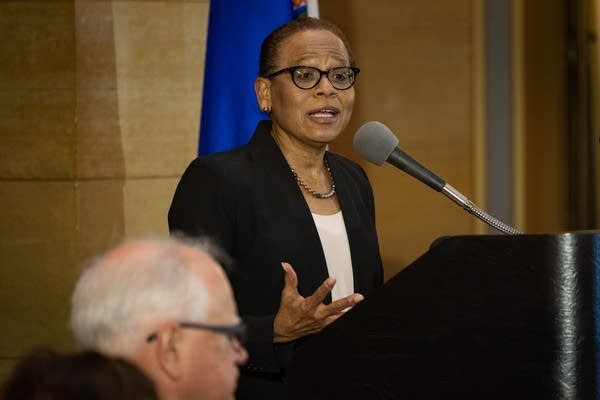
Minnesota's top judge is retiring in September, giving Gov. Tim Walz another opportunity to shape the state Supreme Court prior to his own departure next year.
Chief Justice Natalie Hudson will step down as she approaches the mandatory retirement age for judges; she turns 70 in January. Her term was otherwise due to run until 2031.
“When Governor Walz appointed me to this position, I knew my time as chief justice would be relatively short, given Minnesota’s mandatory retirement age for judges,” Hudson said in a news release. She called it a “profound honor” to hold the position.
Hudson made history as the first person of color to lead the state judicial branch and is the third woman to be in that position. The chief justice is also one of three members of the Board of Pardons, along with the governor and attorney general.
Four of the seven justices on the Supreme Court were put there by Walz, with Hudson being elevated from associate justice to chief by him as well. All seven were appointed by Democratic governors.
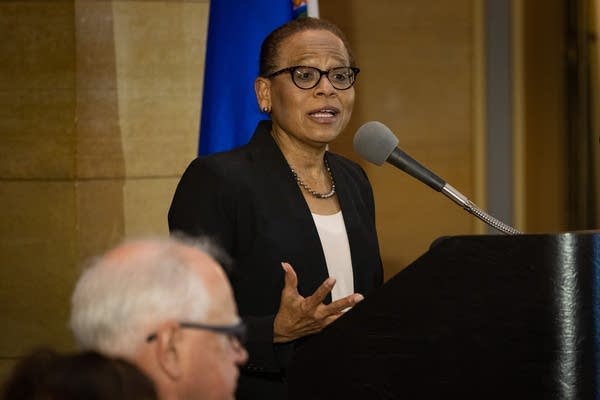
Walz called Hudson one of the “giants of Minnesota history.”
“She will be remembered not only for the glass ceilings she shattered but for a lifetime of service to those seeking fairness and justice in our courts,” he said.
While governors appoint judges, they must periodically stand for election to new terms. Minnesota judicial elections aren’t as competitive as they have become in other states.
The two-term DFL governor said he would announce further details of the selection process later. Walz has used a judicial selection panel’s recommendations for most of the dozens of judges he’s appointed, but like other governors has treated the Supreme Court picks differently.
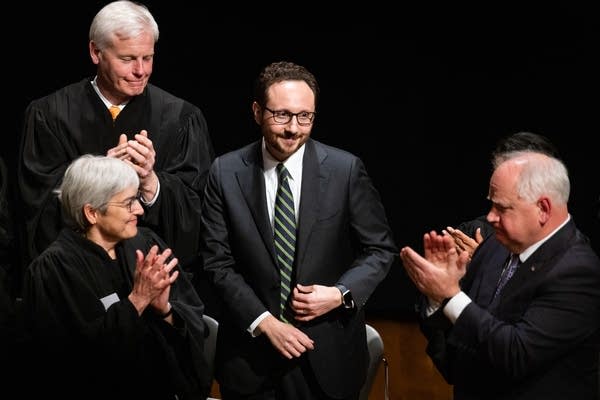
It’s possible that Walz will choose from within the court for a new chief, which would also give him another associate justice position to backfill. That’s what happened when he tapped Hudson for the job in 2023 after she had been on the court since 2015. Walz then filled her empty post with his general counsel, Karl Procaccini.
During her time as leader of the judicial branch, Hudson has overseen implementation of a hearings process that enables more district court work to be done remotely, which built off changes first made during COVID-19. The court system also launched a mental health justice initiative to improve the way the judiciary responds to and serves people with mental illness. The branch also began to advance projects related to artificial intelligence in the court system as the technology expands in society.
Prior to her time on the bench, Hudson was an attorney specializing in housing, employment and other civil litigation cases. She also held roles in law schools, the St. Paul city attorney's office and at the state attorney general’s office.