This is not a shift away from impact. It is a deeper commitment to achieving impact in ways that are financially viable, operationally sound, and sustainable over time.
Over the past several months, Miller Center for Global Impact has spoken with investors across our network, including A to Z Impact, Acumen, Beneficial Returns, FINCA Ventures, Kiva, and Open Road Impact, to understand how investor expectations are evolving. The basics have not changed. What has changed is the level of discipline around them.
We spend a great deal of time working alongside social entrepreneurs who are navigating this reality directly. They are being asked to make sharper decisions about how they grow, how they use capital, and what tradeoffs they are willing to accept along the way.
Execution matters more than ever
One of the most visible shifts is in how investors evaluate execution. Strong ideas are still essential, but they are no longer sufficient. Investors want to know whether a team can deliver consistently, especially under pressure.
Dan Waldron, Director of Insights at Acumen, described the question this way: “For example, we have investments in companies that sell consumer goods sourced from smallholders. Can they source what they need, and can they turn it around to deliver fully and on time?” It is a straightforward question, but it reflects a much higher bar for operational discipline than we have seen in the past.
Additionality asks whether capital is merely sustaining an enterprise — or unlocking outcomes that would not otherwise happen.
Growth is also being redefined in more practical terms. Scale continues to matter, but not in the abstract. Increasingly, investors are looking for businesses that can sustain performance over time, not just accelerate quickly.
“To raise money, you have to have operational control and have the maturity to build through instability,” says Payel Farasat, Impact Investor and Chief Growth Advisor with FINCA International.
Profitability and impact cannot pull apart
This shift is driving a sharper focus on profitability and alignment. Investors are placing greater pressure on companies to demonstrate that they can grow while remaining financially sound. The strongest models are often those in which impact and revenue scale together rather than pulling in different directions.
“Don’t let the prospect of impact investing dollars be an excuse not to run a profitable enterprise,” Ted Levinson, Founder and CEO of Beneficial Returns, cautions. “What’s your minimum viable unit, and how do you get there with as little capital as possible?”
Investors are asking more explicitly what role their capital plays and whether it is enabling something meaningful.
The implication is clear. Social entrepreneurs are being pushed to look more critically at their models, double down on what is working, and move quickly away from products or activities that are not aligned with both impact and financial performance.
Kathy Guis, Executive Vice President, Investments, at Kiva, emphasizes that this is not a new standard, but a more rigorously applied one. “We need to see sensible unit economics, a clear financial track record, and an impact-tied operating model with numerical evidence behind it. If the unit economics don’t work, then we don’t do it.”
Capital has to do something
There is also a deeper level of scrutiny around how capital is used. Investors are asking more explicitly what role their capital plays and whether it is enabling something meaningful.
Levinson believes that “additionality is the only definition that matters.” This idea forces a more disciplined conversation. Capital should not simply fill gaps or extend runway without purpose. It should create outcomes that would not otherwise happen. When that clarity is missing, it becomes difficult to define success on either side of the table.

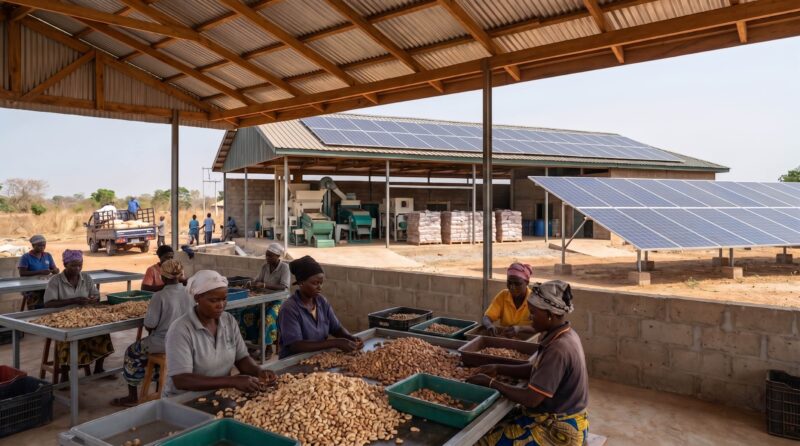
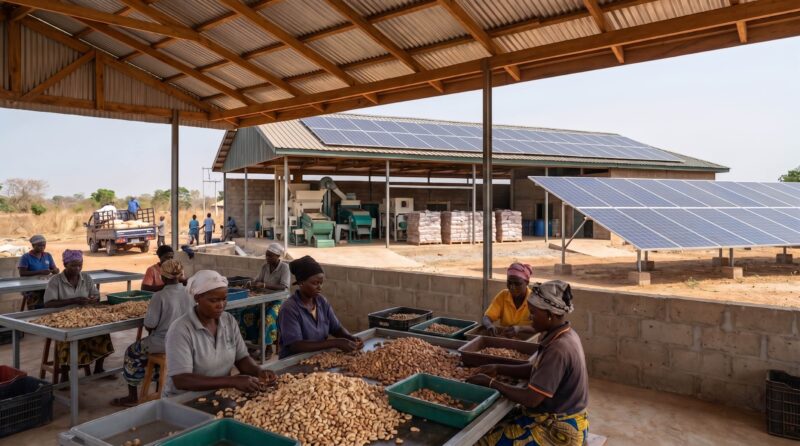
Through CropSafe’s network, women farmers are gaining greater access to markets, information, and income, reflecting an enterprise model designed to align impact with financial sustainability.
Through Miller Center Capital, we have seen this in practice. In Nigeria, our investment in CropSafe Agro Services is helping bring a larger, solar-powered processing facility online, allowing the company to move further down the value chain while increasing earnings for more than 3,000 women collectors. This is what additionality looks like. Capital is not just sustaining the business. It is unlocking new capacity, strengthening local economies, and enabling impact that would not have happened otherwise.
Entrepreneurs still face a fragmented system
It is important to acknowledge that these expectations are emerging within a still-fragmented system. Entrepreneurs are often navigating what I have described elsewhere as a “Frankenstein’s monster” ecosystem, where different funders bring different priorities, timelines, and definitions of success that entrepreneurs must patch together.
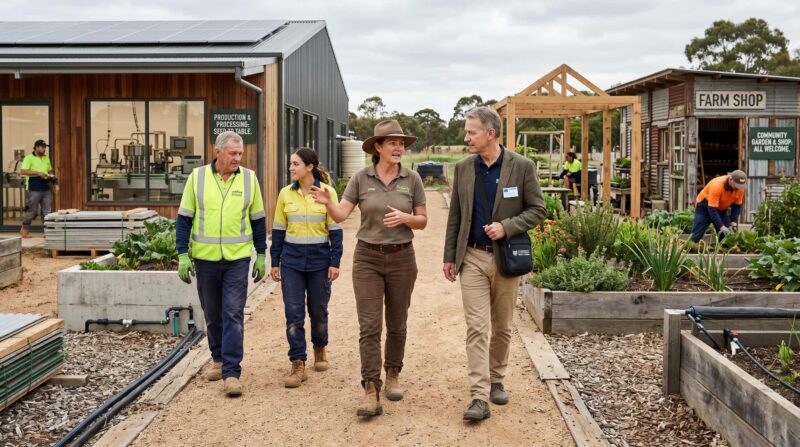
A more mature impact investing field will reward enterprises that can show not only why their work matters, but how their model makes that impact durable.
That fragmentation makes it critical for entrepreneurs to be deliberate in choosing investors whose expectations align with both their impact goals and their growth strategy.
This complexity has real implications. Even the most capable entrepreneurs can find themselves managing competing expectations rather than focusing fully on building their businesses. It also reinforces the need for a more entrepreneur-centric approach, where capital and support are aligned around what it actually takes to deliver impact in the real world.
A more mature phase for impact investing
Taken together, these shifts point to a more mature phase of the impact ecosystem. The conversation is becoming less about what is possible in theory and more about what is required in practice.
Investors are not asking for less impact. If anything, they are asking for more. But they are also asking for greater transparency, stronger execution, and a more grounded understanding of how impact and financial performance come together.
For social entrepreneurs, this means being disciplined about unit economics, aligning impact and revenue from the outset, and using capital intentionally rather than reactively. The next phase of impact investing will reward enterprises that can show not only why their work matters, but how their operating model makes that impact durable.