Megan Horsager is not looking forward to buying more fuel for her farm.
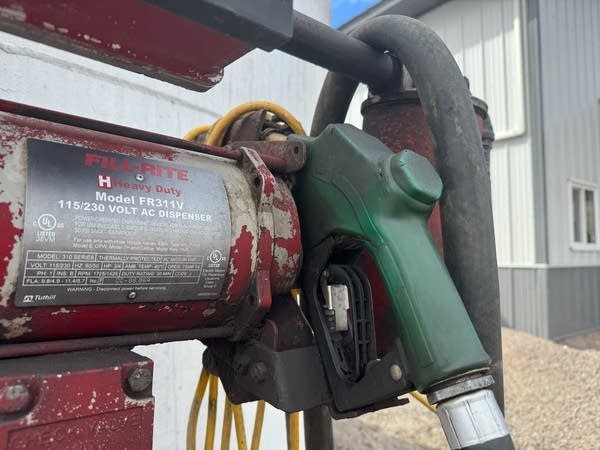
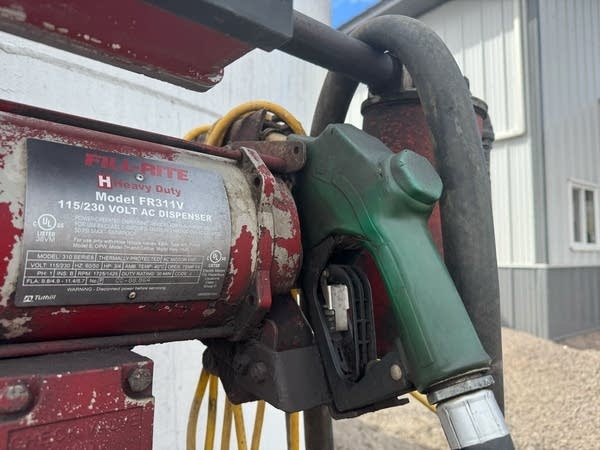
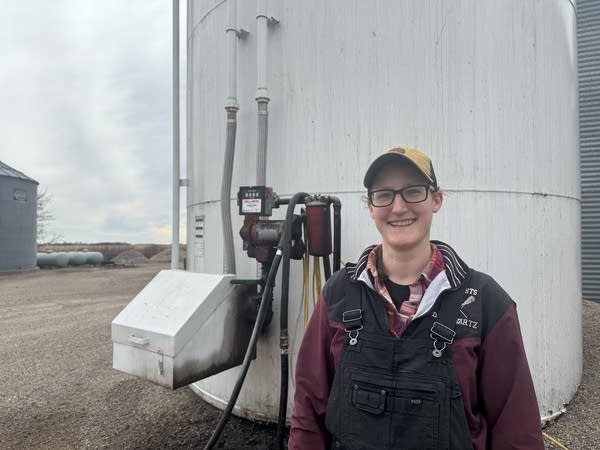
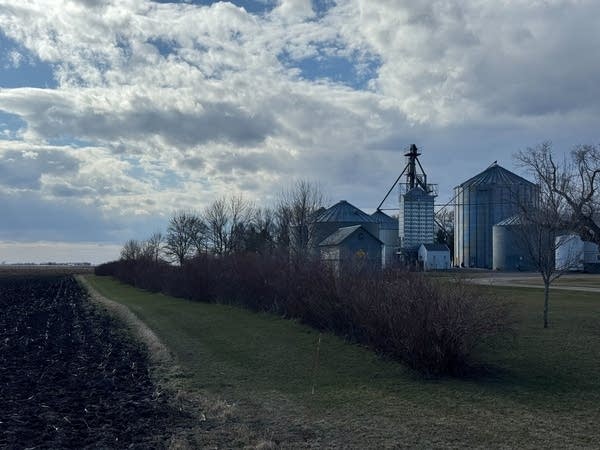
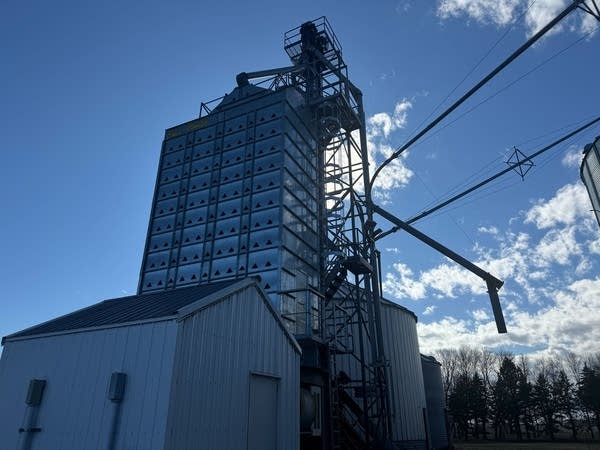
She’s got a large, white, cylindrical fuel tank that sits in the middle of her family’s row-crop farm in Montevideo. While she buys her fertilizer and other planting needs in the fall, ahead of planting season, she opts to buy fuel whenever her tank needs a top-up.
That next refill will happen in June, Horsager said.
"I'm just kicking myself that I didn't price more ahead of time,” Horsager said. “Usually, June hasn't been a bad time to buy fuel, but you don't plan on the global events."
The prices of key agricultural necessities such as diesel and nitrogen fertilizer have soared since the Strait of Hormuz, a vital trade passageway, has largely been choked off amid the war in Iran.
While Horsager didn’t book enough diesel in advance, she is set with fertilizer. However, not everyone is. In fact, a recent American Farm Bureau Federation survey found that about 70 percent of respondents nationwide report they are unable to afford all the fertilizer they need.
And Horsager still worries about what fertilizer costs might be in the fall. Those worries may not be without cause.
What it’ll take for prices to come back
The Agricultural Risk Policy Center at North Dakota State University ran fertilizer price projections under different scenarios, including the Strait of Hormuz opening soon or remaining closed throughout the year.
“We have seen that even in the most optimistic scenario, we're going to see elevated prices on the nitrogen as well as phosphate side that continues on through the fall and moving into 2027,” Agricultural Risk Policy Center Associate Director Shawn Arita said.
Arita added that those prices will be higher than the ones farmers worked with this year and last year. Part of that is because it’ll take time to repair Middle Eastern fertilizer production infrastructure that’s been damaged in the war.
The center’s report shows that the price of urea, a nitrogen fertilizer, will remain 13 percent higher than its pre‐crisis price, even if the strait were to open soon.
It could also take some time before barge companies feel safe to pass through the Strait, Arita said. There are leftover underwater mines through the waterway that the U.S. is working to clear, according to President Donald Trump. The Associated Press reports that Pentagon officials told lawmakers it would likely take six months to clear the mines.
Vessels and insurance companies would likely also want some stability between the U.S. and Iran, Arita said.
“Many of these ships, as well as the insurance companies, are very, very risk-averse,” Arita said. “It's going to take time for them to see how the situation is, to feel comfortable and to have assurances that they'll be willing to re-enter the strait to pick up cargo.”
There is also a growing backlog of vessels that are stuck in the strait. There are about 2,000 vessels stranded in the Persian Gulf, according to the International Maritime Organization. Though some experts say that estimate is high, there is nevertheless a backlog.
“You're not going to see a return to normal for several months, even if the Strait of Hormuz was opened relatively quickly, because you've got to get all those ships out of there,” Michigan State University ag economist Bill Knudson said.
Once the strait opens and oil tankers pass through, there could be some immediate relief for oil prices, Knudson said. However, he adds that relief is contingent on the extent of energy infrastructure destroyed during the war.
“That'll tell us how quickly prices will return to where they were before the war started,” Knudson said. “If, say, a refinery has been destroyed, it's going to take months for it to get back online and start processing oil again.”
The longer the war goes on, the greater the risk of further damage to energy infrastructure, he added, which could further set back oil prices.
On top of that, if nitrogen fertilizer remains expensive next year, Knudson figures some farmers would likely switch from growing corn, which needs a lot of nitrogen fertilizer, to soybeans, which draw most of their fertilizer from the atmosphere. Regardless, if the war extends into the summer, farmers could continue to see higher operational costs eating into their profits next year.
“The crunch on profitability would continue if there's no solution in the next seven or eight months,” Knudson said.
‘It's not panic mode, but it's getting closer’
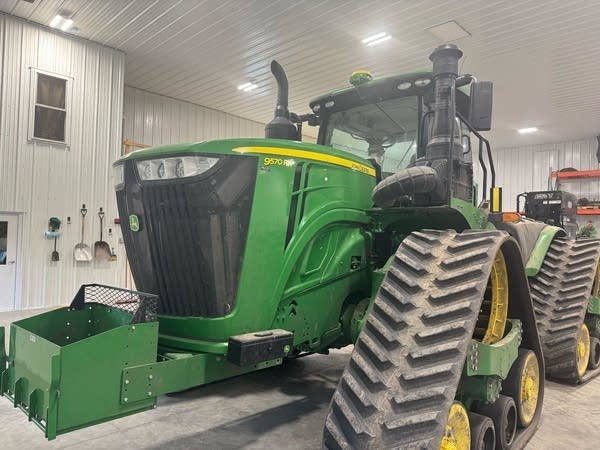
Megan Horsager, the farmer in Montevideo, grew up on her family’s land but wasn’t a huge fan of farm work as a kid. She went into the corporate world and took a job that, as it turned out, she didn’t like much, either. Horsager missed farm life, so she earned an agribusiness degree, got married in the process and returned to the farm five years ago.
“Every day I feel like I don't know what I'm doing,” Horsager said. “Dad said it would be five years before I felt like I had a handle on anything. It's been about five years, and I have a handle on maybe half of the different aspects of the farm.”
She’s a member of her local sugarbeet co-op, with which she signed a five-year contract. That means growing sugarbeets at a time when the crop’s prices have been rocky.
“I'm required to plant a crop that I'm fairly confident that I will lose money on, maybe at best break even,” Horsager said. “I’m trying to be optimistic, but it definitely puts a damper on the mood.”
Despite the challenges, Horsager and her family remain optimistic. They still feel the joy of planting seeds in the ground and watching them grow. Farming is what Horsager loves, which means it’s “impossible” not to feel optimistic.
For now, she says her family takes each year as it comes and “trusts the Lord for the rest.”
In the meantime, U.S. Department of Agriculture Secretary Brooke Rollins recently told lawmakers that the Trump Administration is poised to draw tens of billions of dollars from tariffs and trade deals to invest in domestic fertilizer supplies. Secretary Rollins added she’s hopeful the Trump Administration will release a detailed plan soon.
It’s likely farmers will again struggle to turn a profit despite several rounds of government assistance, and experts say it wouldn’t be surprising if the government offered yet more aid.