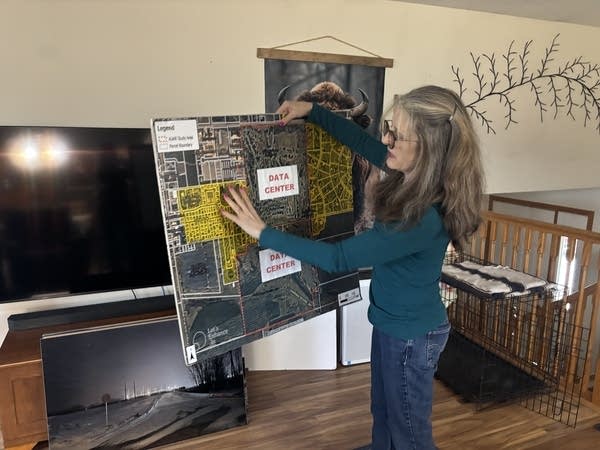
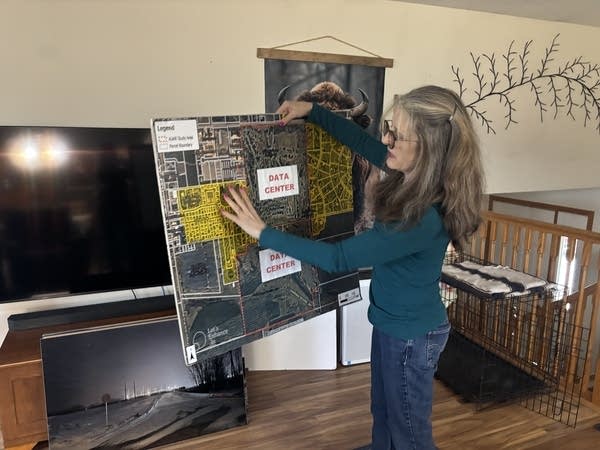
Standing outside the state Capitol on Earth Day, Cathy Johnson took a break from lobbying lawmakers for regulation of hyperscale data centers.
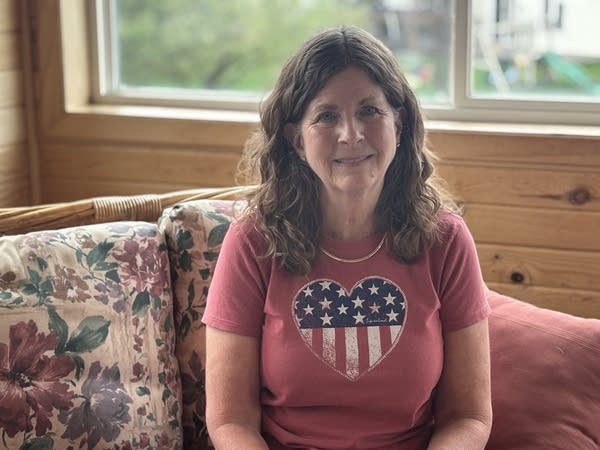
Johnson, a former middle school teacher, considers herself an unlikely advocate.
“I was born to do my job and I loved it. And I loved my retirement,” she said.
But when two large plots of land near her Farmington home became a possible data center destination, Johnson became a full-time opponent.
“When I heard about the amount of water use and the amount of electricity use, I just read everything I could about data centers,” she said.
Johnson is part of a group of Farmington residents who joined together to stop the project. They’re united in their concerns about the project’s energy, water and land use. They worry about light and noise pollution. They’re backing a lawsuit that they hope will stop the project and others proposed around the state.
Johnson, who is liberal, said those concerns defy party affiliation at a time when communities and the country are politically divided.
“This is a community issue, and whether you are a Republican or a Democrat, air pollution and water pollution affects you equally,” she said.
Jobs and lower taxes
The new data center has been under consideration for several years in Farmington.
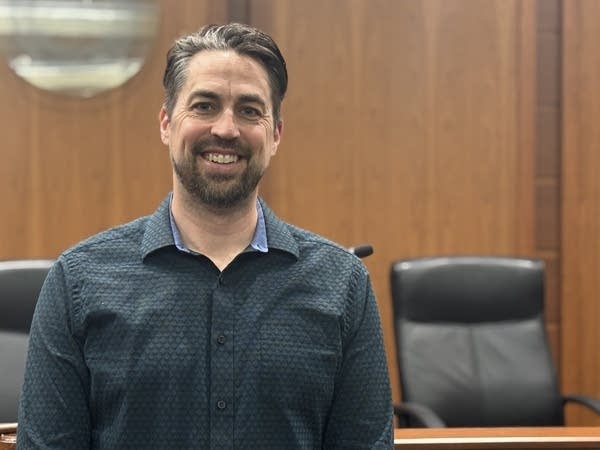
Mayor Nick Lien said he thinks the data center would bring good to the community – namely jobs and a wider tax base. He said because Farmington is so rural, property owners bear most of the tax burden, not commercial businesses.
“Enter the data center. These are large commercial properties with a huge property tax footprint to them that are generally a means to balancing out that ratio of your commercial to residential tax burden,” he said. “It's favorable in that regard.”
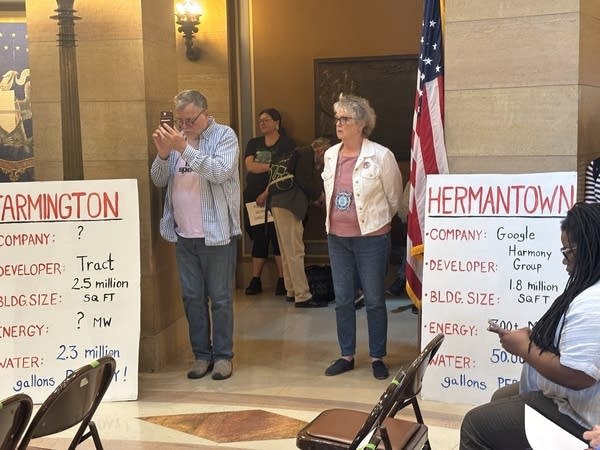
On a website dedicated to the project, developer Tract promises the project will bring more than 275 jobs to the area and $18 million in new funding for public schools. The developer details plans to ensure the aquifer near the project is protected and says the center will comply with local ordinances.
Tract recently clarified that the entire project’s annual water usage will be capped at 50 million gallons.
Lien said irrigating the old golf course where the center would sit was about the same amount of water.
But he said that these messages haven’t been embraced by people who oppose the project. That’s partly because there’s a third-party developer involved with no tenant announced yet. City staff signed non-disclosure agreements around the project, which limited what they could say about the development until recently. Lien said he and other elected officials did not sign those agreements.
“You have this long stretch of time with ambiguous information. And when ambiguity exists, people will insert the worst case into all of them and assume that the worst case for all of them is what's going to happen here,” he said.
A lack of trust
Dave Akin’s family goes back five generations in Farmington. His father used to be mayor.
But recently Akin, who lives near the proposed data center site, said he’s lost trust in the people who run the city he has lived in all his life.
“I'm still extremely respectful of their positions, the struggles they have to go through to make decisions. It's just so hard to have trust these days on so many levels because it's like, ‘Oh non-disclosure [agreements]’” he said. “So it's just exhausting, because we go to meetings, we try to be heard. We're not heard.”
Akin is a Democrat. His neighbor, Nancy Arsted, is a Republican. But they share frustration over transparency at the city level.
“‘We the people,’” she said, quoting the opening words of the U.S. Constitution. “‘We the people’ should be about the people, and it's not about the people,” she said. “This is about money, big money, that's all."
Lifelong Republican Ann Mikiska has also found unexpected connections with Democrats.
"I don't normally sit down and have conversations and coffee with a bunch of Democrats. I just don't because I don't agree with so much of it,” she said.
This fall, she's looking for candidates who will resist data centers — even if they're Democrats.
"This will be a very important thing,” she said. “It might get me to cross party lines for the first time."
Unlikely bedfellows
At the Capitol, the issue has created some unlikely bedfellows, too.
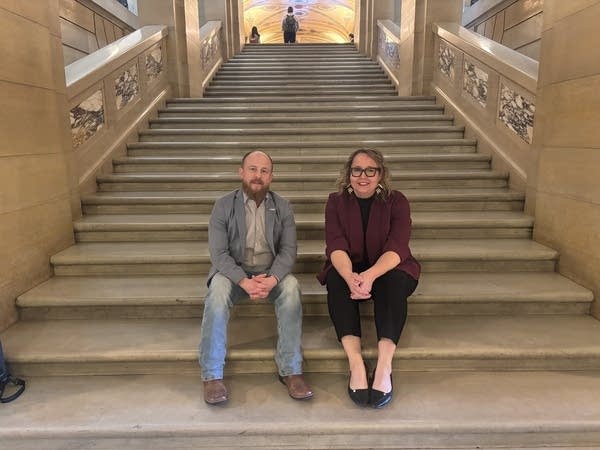
Rep. Emma Greenman, DFL-Minneapolis, and Rep. Drew Roach, R-Farmington, aligned to demand transparency around data center development.
They want to curb non-disclosure agreements around development projects because they’re used to keep details of data center proposals secret.
Greenman said NDAs erode trust.
“Communities have the capability and the right to make these decisions and not sort of have that circumvented and subverted by these private contracts that are being written by the biggest companies in the world,” he said.
Roach agrees. He's happy the issue has energized voters across the political spectrum because it’s a bright spot of common ground when there’s little else to agree on.
“If that frustration and that reality is what is the motivating factor for them to get involved in paying attention in their local government, then it's a good thing,” he said.
Non-disclosure agreement legislation was passed in the Senate last month, but its prospects in the House aren’t clear.