On a recent morning, a Nicaraguan woman named Sheena and her son George were sitting in a parked car in Grand Forks, N.D., waiting to report for their immigration check-in.
MPR News agreed to refer to them by their nicknames, Sheena and George, because — though they have legal status as asylum seekers — they are worried about their safety.
George said the night before they made the trek from their home in Pelican Rapids to Grand Forks for their immigration check-in, neither could sleep because they feared being deported “and losing a dream that we can [have] and we're chasing to have a better life for me and my mom.”
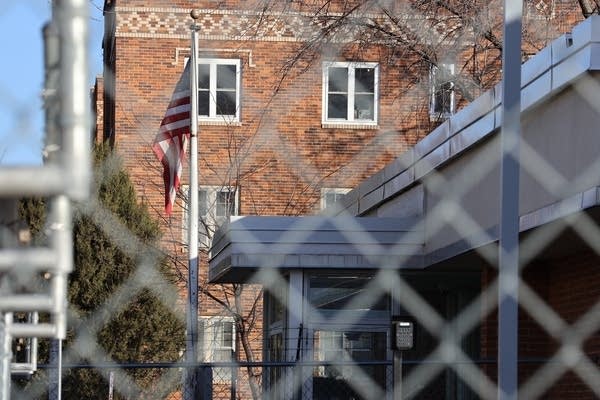
George, who’s 16, said he and his mom left their home country of Nicaragua in 2021. He said they trudged 3,300 miles on foot through mud, swamps and rivers, putting their lives in the hands of strangers who could have just as easily harmed them as helped them.
Eventually, he said the two reached Eagle Pass, Texas, where they sought asylum to escape political violence.
"My goals here are to accomplish having a house… to pay for my mom, help my mom always,” George said. “And help my family in Nicaragua and be a successful person in life."
But on this day, they feared that could all be at risk. And according to Ana Pottratz Acosta, those fears are valid. She’s a visiting professor at the University of Minnesota Law School, which also has an affiliation with the Binger Center for New Americans.
“Under the current administration, what's been happening is that these check-in appointments have turned into something of a low-hanging fruit for ICE,” Pottratz Acosta said. “They have this external pressure to meet the daily quota of 3,000 arrests per day (nationally), and for that reason, if they are maybe low on a particular day, it may be more likely that they would arrest people.”
Pottratz Acosta also noted that as part of what it called “Operation Metro Surge,” U.S. Immigration and Customs Enforcement agents arrested about 4,000 immigrants, many of whom had some sort of pending application for relief in the system. She said many also had work permits as an interim benefit of their pending application for status.
Against that backdrop, Sheena and George were worried and had sketched out three potential outcomes to their immigration check-in.

Their preferred outcome was that they’d get to stay.
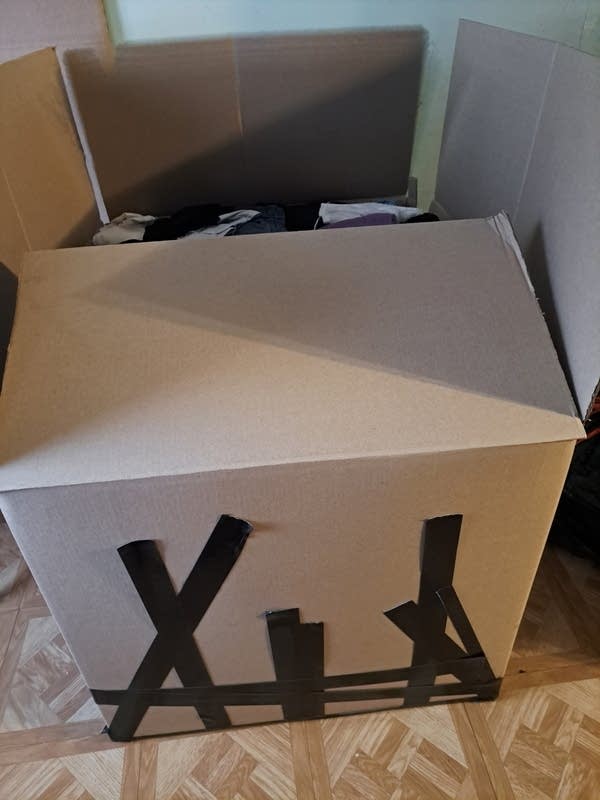
The second possible outcome was that they’d both get deported. And they prepared for that possibility by packing a brown cardboard moving box, which for them, represents the American dream. It contains possessions like clothing, a tablecloth and other things they've acquired since moving to Pelican Rapids for a better future. If deported, they’d have it mailed to Nicaragua by friends.
But it’s the third possible outcome that scared them the most: getting split up, with Sheena being taken into custody and George, a minor, staying behind alone.
Sheena, who spoke in Spanish as George interpreted for her, said she couldn’t imagine that scenario. She began sobbing, saying the plan was always to stay in the U.S. together. To be there for her son. And to help him. If deported, Sheena said she’d fear for their safety.
Soon someone showed up at the vehicle window to tell Sheena it was time for her appointment and she went inside.
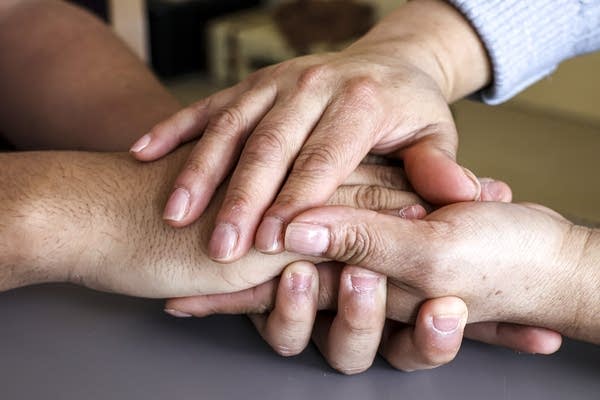
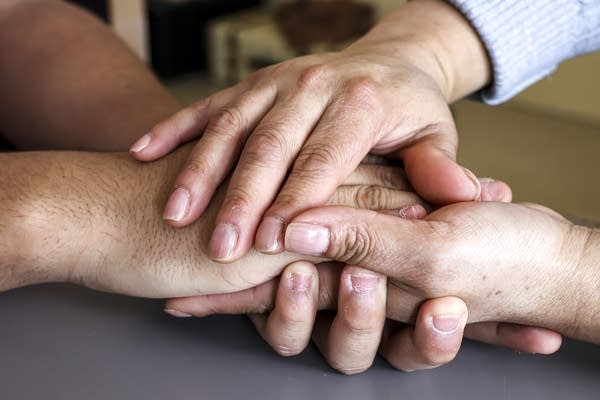
“She’s terrified. I’m terrified for her,” said Rev. Beth Rose, a supply priest for the Northwest Parishes Diocese of Minnesota, who accompanied Sheena and George into the check-in.
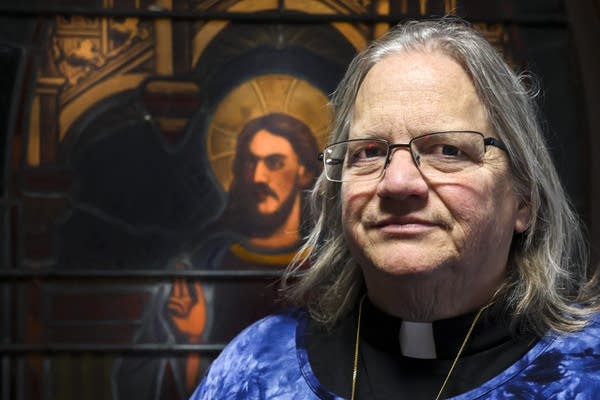
Rose said she had never met the family until that day. And she knew that she couldn’t assure Sheena that everything would work out.
“Because that’s not true. I don’t know that. It might be OK, it might not be,” she said.
Rose said to give Sheena strength in the waiting area, she showed her a version of the 23rd Psalm, “And that part that says, ‘Though I walk through the valley of the shadow of death, I will fear no evil, for You are with me.’”
And Rose said she acknowledged the possibility of Sheena and George getting deported.
“But I said, ‘God will always be with you no matter what,’” Rose said. “And we stood there.”
Rose said eventually an ICE agent called out Sheena’s name. She said Sheena walked up to him nervously and handed him her papers. He looked them over, and told her he would see her at a later date.
“And she cried out in joy and relief, and all that pent up nervousness just burst forth,” Rose said. “She burst into tears and came over, and she just sobbed on my shoulder.”
Rose described the work she does with immigrants as rural advocacy, and she said she was called upon to do it by a higher power.
“It’s been my honor to work with these folks. Every one of them has changed my life,” Rose said. “Most don’t have a clue about what’s going on in rural Minnesota.”
A day after the check-in, Sheena and George were back in Pelican Rapids. George said they'd been on an emotional high since the appointment.
“A feeling that cannot be described, how happy, how free we were,” he said. “I felt so great. It was pretty nice.”
George said they still haven’t unpacked the box with their belongings, because as he said, “it still doesn’t feel real.” And they still don’t know what the future holds.