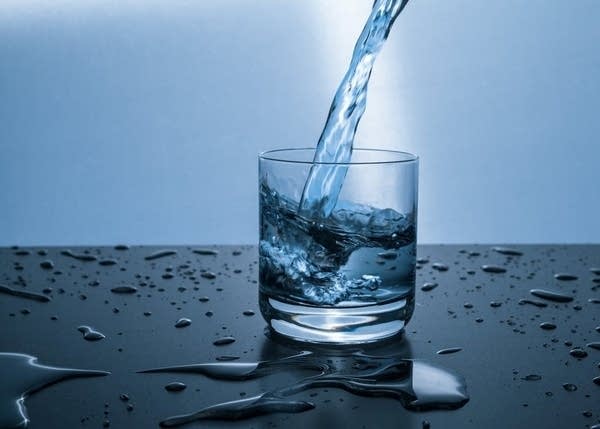
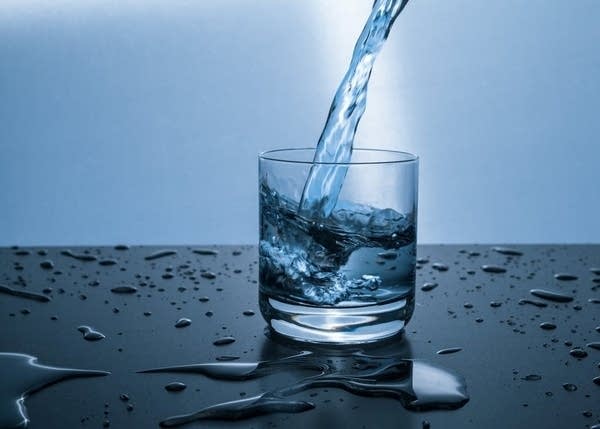
The Minnesota Department of Health said more than 99 percent of the state’s public water systems met all federal health-based standards last year.
There are 6,582 public water systems in Minnesota that have their own water source and provide water to 25 or more people. They’re tested for several types of contaminants, including bacteria, pesticides, industrial compounds and nitrate.
In its latest annual report, the health department said a handful of water systems exceeded standards for copper, lead, arsenic, radioactive elements or disinfection byproducts. Those systems notified customers and took corrective action, according to the report.
Minnesota’s public water systems do face ongoing challenges, such as replacing lead pipes that connect water mains to homes. The state has a goal to replace all lead service lines by 2033, and has allocated $243 million to support lead service line removal and replacement.
State and federal funding for replacing lead pipes runs out in 2027. Local leaders and labor unions are urging Minnesota lawmakers to provide additional money, but it remains uncertain whether the Legislature will do so in the waning days of the session.
The health department also is monitoring drinking water for emerging contaminants such as PFAS, or per- and polyfluoroalkyl substances. They’re often known as “forever chemicals” because of their tendency to persist in water, soil, wildlife and humans. Some are linked to negative health effects, including liver and thyroid disease and fertility problems.
The agency collected more than 1,800 samples from water systems across the state last year to test for PFAS. The majority were below health-based standards, the report states.
The U.S. Environmental Protection Agency adopted the first-ever legally enforceable limits on some PFAS in drinking water in 2024. It gave public water systems 2029 to meet the limits.
The health department also is developing resources to help water systems prepare for the impacts of climate change, such as drilling backup wells and purchasing emergency generators to use in case of extreme weather.