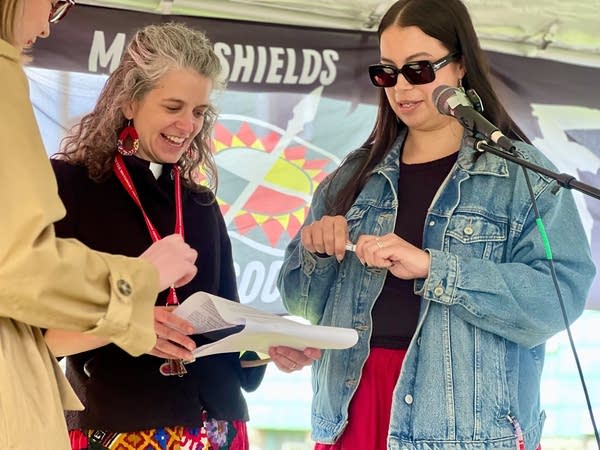
Indigenous Protector Movement first met with Our Savior's Lutheran Church in South Minneapolis three years ago.
After establishing a relationship, the church then proposed transferring an adjacent double lot and triplex house to the Indigenous-led group. The organization focuses on advocacy work and community safety and was founded by the grandchildren, nieces and nephews of the founders of the American Indian Movement.
Indigenous Protector Movement co-founder and board chair Vinny Dionne said he was initially apprehensive.
“It’s hard for us as a people to believe a church when they tell us something, especially something good,” he said.
Dionne said that history includes the colonization of Indigenous tribes and the boarding school era, which led to the suppression of Indigenous cultures and languages.
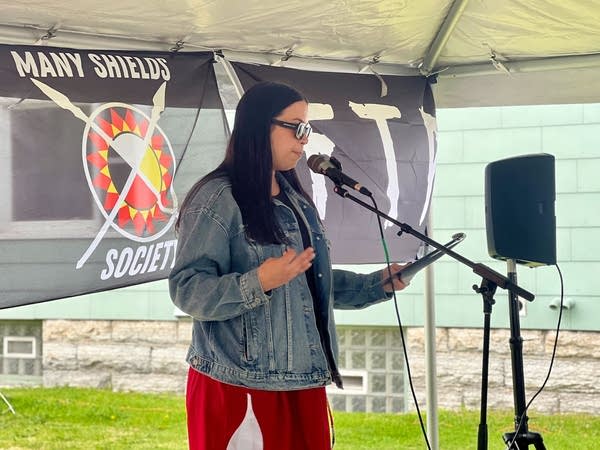
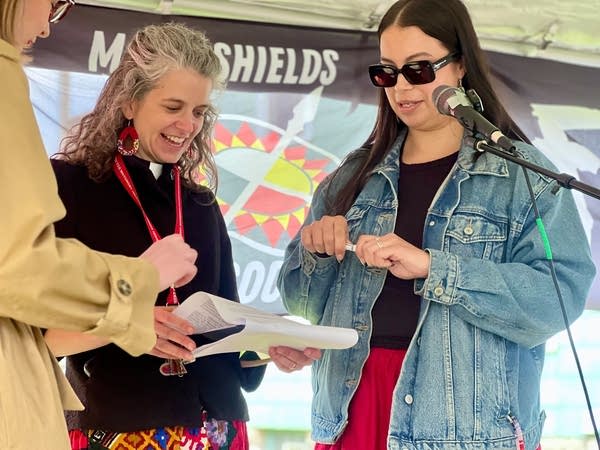
Rachel Dionne-Thunder, the organization’s CEO, said developing a relationship with the church over the last few years is not only about property transfers.
“[It’s] a step forward in healing this relationship between the Lutheran Church and the Indigenous community here in south Minneapolis,” Dionne-Thunder said.
Our Savior’s lead pastor Martha Bardwell said the church established a group of nine congregation members five years ago working toward reparations in the south Minneapolis community.
“It has grown into relationship building and digging into our own congregational history around what harms have we been complicit in,” Bardwell said, adding that the church had once donated money to an Indian boarding school in the 1920’s.
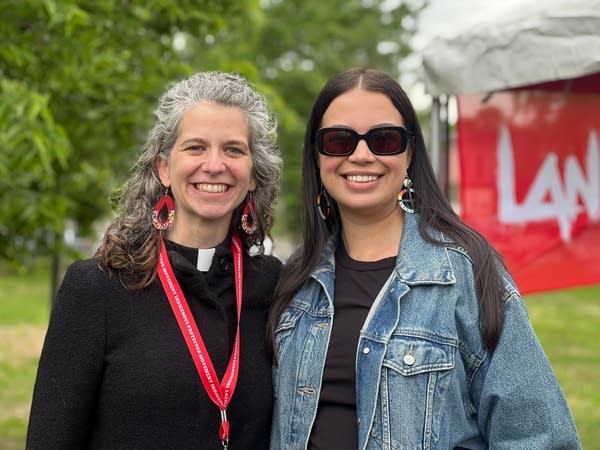
Aneesa Parks, a reparations team member, said the team took inspiration from other cases across the country.
That includes Presbytery of the Cascades giving land back to an Indigenous-led organization in Portland in 2023 and the Seattle Mennonite Church gifting a home to act as a hub for underserved communities in 2022.
Churches in nearby states have also transferred land directly to tribes. In 2025, the Franciscan Sisters of Perpetual Adoration in La Crosse, Wis., transferred land to the La Du Flambeau Tribe. In 2017, the St. Francis Mission in South Dakota returned more than 500 acres to the Rosebud Sioux Tribe.
Parks said the church focused on the Indigenous Protector Movement’s wishes when deciding on the transfer of the south Minneapolis property.
“This is about what their healing looks like, and if we're a part of it, we are there for that,” Parks said. “If we don't need to be a part of it, we're okay with that too.”
Before agreeing to the transfer, the church took the proposition to the entire congregation for input and a vote on whether to move forward. Bardwell said the congregation voted unanimously in favor.
“It was really joyful, and I think a testament to the hard work of discernment and relationship building,” Bardwell said.
Dionne-Thunder said the property acquisition will connect Indigenous community members to the land, especially in an urban setting like south Minneapolis — which has a large population of Indigenous people and is known as a cultural corridor.
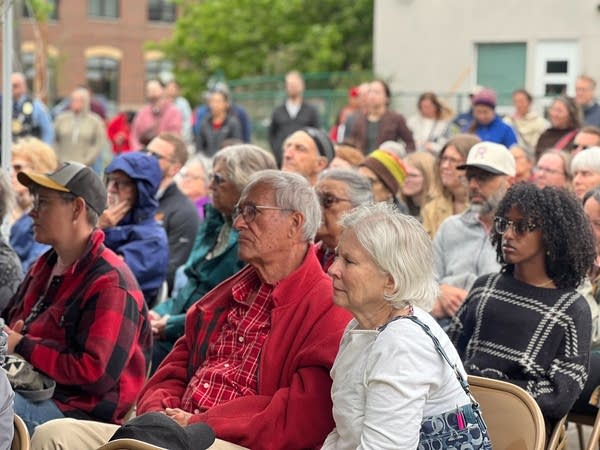
“We have existed here as indigenous people for hundreds of thousands of years since the beginning of time. We are the land, the land is us,” Dionne-Thunder said. “The land hasn't gone anywhere, and we haven't gone anywhere.”
Indigenous Protector Movement’s current location is one room in a shared building off Franklin Avenue East. It has space for a table and a few office desks. Expanding into another space with a yard and house gives the group more room to grow, said Dionne.
The group plans to build on their existing services and continue to build their relationship with the community, Dionne-Thunder said.
Dionne agrees with the sentiment of relationship building. He said the property transfer is an opportunity to strengthen the south Minneapolis community overall.
“It starts with us rebuilding our strength in the Indigenous community, but also expanding out to the rest of the community,” Dionne said.
The Indigenous Protector Movement will move onto the property in the coming months.
“I'm excited that this moment has finally come, because it's been a couple years in the making,” Dionne-Thunder said.
Chandra Colvin covers Native American communities in Minnesota for MPR News via Report for America, a national service program that places journalists into local newsrooms to report on undercovered issues and communities.