Gov. Tim Walz signed a bill into law Wednesday aimed at preventing the sexual grooming of children. It establishes new training for mandatory reporters and expands the Minnesota Department of Education’s authority to investigate allegations of misconduct that are older than three years.
The measure gained traction following an MPR News investigation last fall that found police had concluded an Eagan High School band teacher had a “pattern of predatory grooming” in two districts for more than a decade.
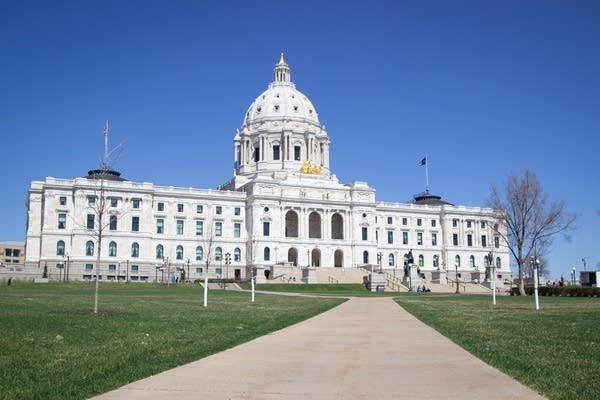
Hannah LoPresto, the person at the center of that story, testified repeatedly at the Capitol this session about the need to strengthen state laws. Her concerns brought a rare bipartisan response from lawmakers. Several lawmakers shared their own stories of surviving grooming, abuse and harassment.
“Something that I’ve learned through this process is just how common it (grooming) is, unfortunately,” LoPresto said. “But actually, learning that made me feel less alone.”
For LoPresto and Chad Clausen, the Eagan police detective who investigated Lopresto’s case, making grooming a standalone felony was a huge priority.
“If someone could be charged with grooming before a sexual assault has taken place — just to know that as a society, or Minnesota as a whole, has recognized that it (grooming) is harmful on its own and that it needs to be a crime. It can stop future abuse from happening. That's great,” LoPresto said.
The law also requires law enforcement to notify Minnesota’s teacher licensing board when a teacher is charged with grooming. And it sets aside funding to increase the Minnesota Department of Education’s ability to investigate allegations of grooming and teacher misconduct.
“It was powerful, and it was more emotional than I thought,” said Rep. Peggy Bennet, R-Albert Lea after watching the House vote unanimously to pass the bill, which she sponsored. “It’s brought tears to my eyes to watch that board light up and realize the people behind this want to protect kids too and keep them safe from sexual predators.”
Sen. Erin Maye Quade, DFL-Apple Valley, sponsored the bill in the Minnesota Senate and credited LoPresto when it came to the floor for a vote.
“Hannah, thank you for your bravery for telling your story over and over and over again, for turning something so painful and difficult into meaningful legislation,” Maye Quade said. “It takes so much work and vulnerability to continue to show up again and again to advocate for change, and I'm just so grateful to know you and have done this alongside you.”
The new law takes effect Aug. 1. The Education Department is required to put out updated training guidelines for mandatory reporters by August 2027.
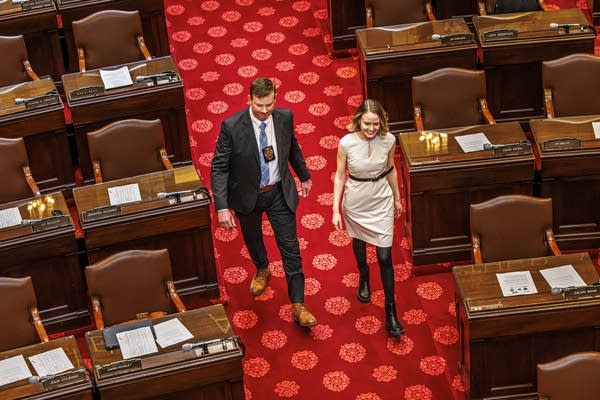
“I don't think I've had enough time to absorb what that was, or how cool that was, but I know that it's something I'll remember forever,” LoPresto said of watching legislators unanimously pass her bill and applaud her on the House floor.
“They're people that know who I am and heard me testify multiple times and know my story, and maybe some of them see some of themselves in me,” she added. “Power is a good word for that.”