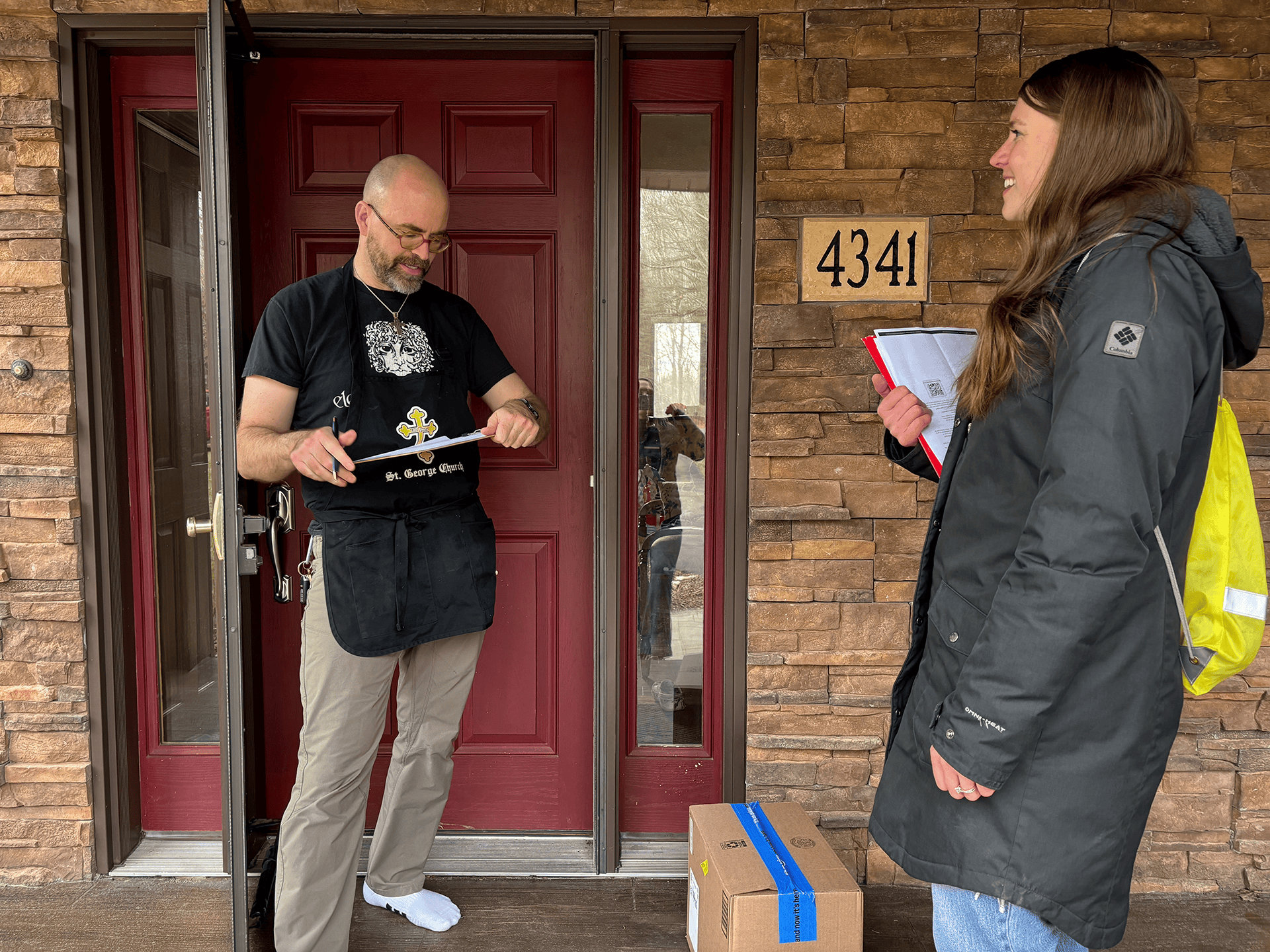
On a chilly spring evening, Brea Schminski did what she’s been doing quite often recently: knocking on doors on a quiet street in Hermantown, Minn., asking people to sign a petition.
She stopped at Graham Sparkman's house just as he was making dinner.
“We're just trying to get signatures to petition for a charter commission. It would just provide more transparency for constituents,” she explained to him.
Sparkman is one of nearly 800 Hermantown residents who signed this petition that a judge approved earlier this week. In June, the judge will appoint seven Hermantown residents to form a charter commission. They’ll write a new charter for the city — essentially a city constitution — and the document will be put before voters to either approve or reject it on election day in November.
Schminski got involved because she opposes construction of Google’s hyperscale data center here, a project that’s facing significant pushback from local residents and environmental groups.
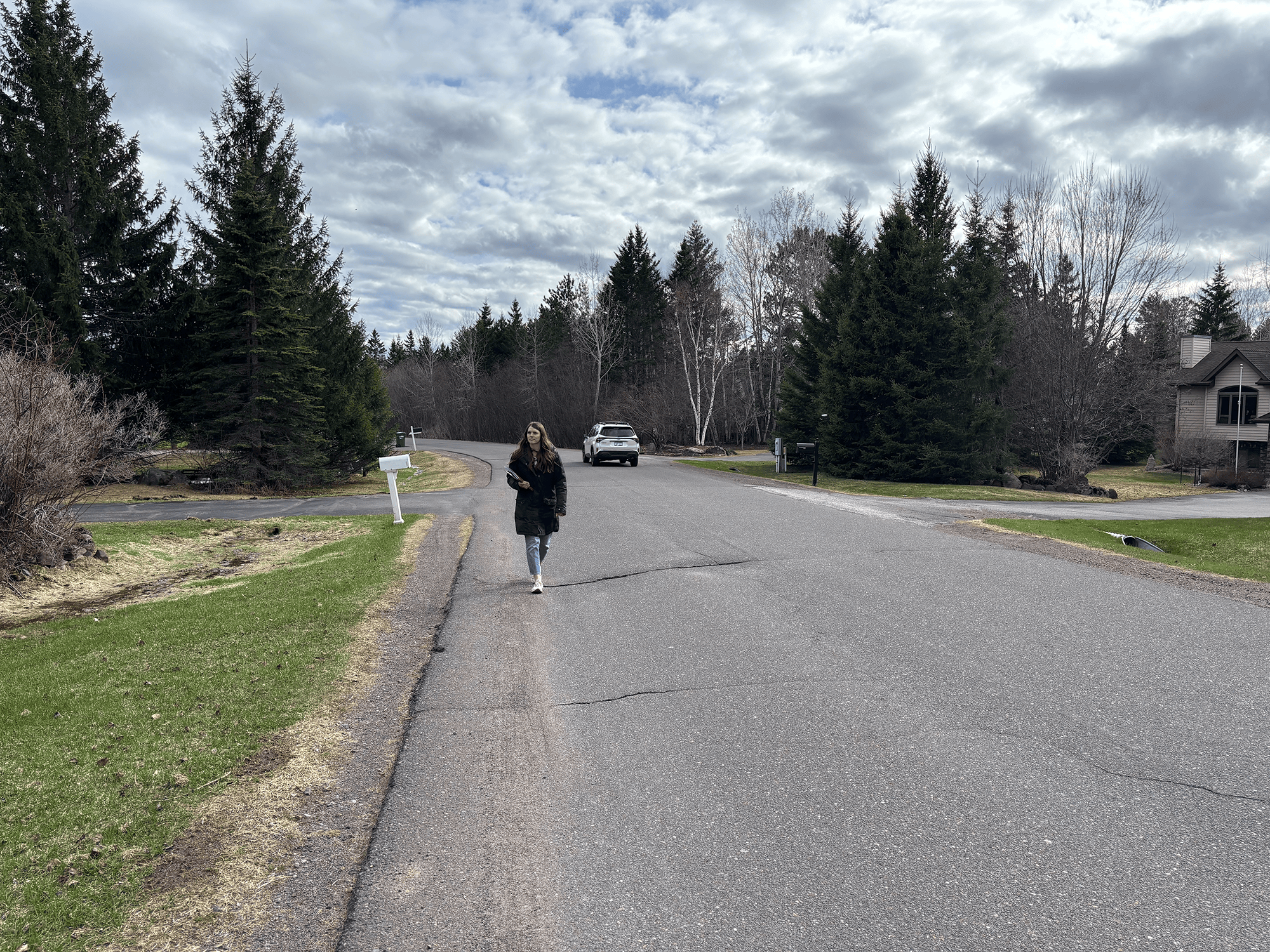
She's worried the data center will drain resources and disrupt the natural beauty of the area — concerns echoed in other communities where hyperscale data centers have been proposed.
But Schminski is also troubled that city officials signed non-disclosure agreements with the project's developer that prevented them from discussing certain details about the proposed data center publicly.
A city charter could prohibit city officials from signing future NDAs, she said.
“It gives more transparency. The NDAs could be off the table,” said Schminski. “I don't think they should be signing them for any project. [City officials are] there for us, so they shouldn't be hiding anything."
A lack of transparency
The proposed Hermantown data center is one of a dozen such hyperscale projects around Minnesota. Two lawsuits have also been filed to try to prevent construction of the Hermantown data center from moving forward.
And earlier this month, opponents in the community earned at least a short-term win when the city council delayed a decision on whether to provide Google with a $80 million tax break in exchange for building the $2 billion facility.
The Hermantown project still needs to clear other hurdles, including environmental review and additional permits.

But some residents are thinking beyond the potential construction of the data center about how to improve the openness and transparency of local government.
And that includes Greg Rosenberg. He led the petition effort. As a cybersecurity expert, he uses artificial intelligence often, which is what the data center would empower, and he's not opposed to data centers either.
But he is opposed to the discrete way the project was initially planned and how Hermantown residents eventually learned about the proposed data center.
“Most people found out not from the city but through these random articles and people talking to one another,” he said. “It became clear very early on that there was some level of opacity with this stuff."
Rosenberg quickly discovered that Hermantown's current governance structure gives residents little recourse.
“We don't have provisions for recall. There's no ability to put something on the ballot, like a referendum. There really were no ethical requirements like conflicts of interest or disclosure,” he said.
He said depending on how it’s written, a city charter could change all of that.
Taking constituent concerns seriously
Hermantown officials declined interview requests for this story, and data center tenant Google stopped responding to inquiries from MPR News after previously saying they would make someone available for an interview.
But city officials refute the allegation that they have not been listening to constituent concerns.
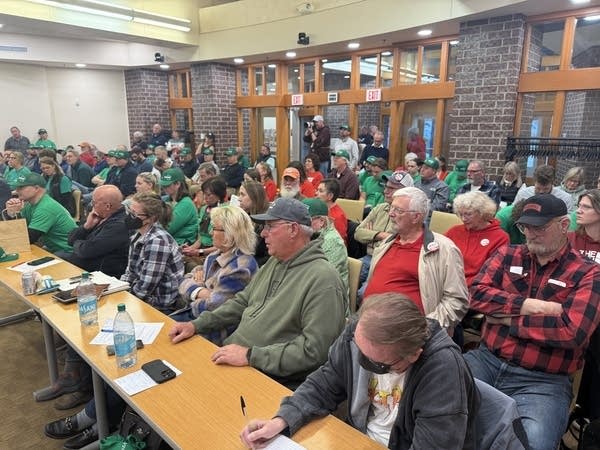
“I've heard a lot of folks mentioning we're not listening. I can definitely tell you we are,” city council member Andy Hjelle told an overflowing audience at a recent meeting. “We’re getting all the information we can and trying to make the best educated decision that we can."
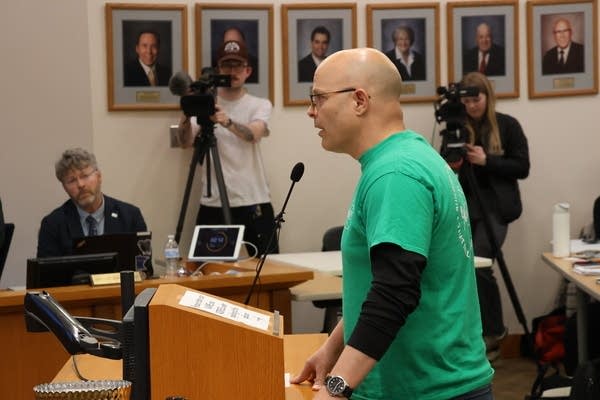
And while these meetings have drawn large crowds of opponents, they’ve drawn supporters, too.
For instance, trade groups support the project because of Google’s promised job creation; the company promises the project would create up to 2,000 construction jobs and 100 long-term jobs.
At a recent city council meeting, Jack Carlson, a Hermantown resident and president of the Duluth Building and Construction Trades Council, said that those jobs would allow construction workers to stay close to home rather than travel for work.
“The ability for the Duluth building trades [workers] to stay home and eat dinners with their family and attend the events they potentially would miss is an amazing opportunity,” he said.
Others point out the project could expand the city’s tax base and raise millions in funding for the local school district, and Google promises to pay the cost of the project’s infrastructure.
Running for city council
Resident Emma Richtman doesn’t buy those promises. She said she never really followed local politics — until she learned about the data center.
“I just was gob smacked at the size and scale of this data center that they wanted to put two and a half miles from my house in the middle of a rural residential area,” she said. “And it just immediately floored me that this cannot happen. So that's when I started attending city council meetings.”

Since then, she's talked to state lawmakers and she's poured over project documents. Now, Richtman is running for city council.
“If this goes through, this is going to impact my family's longevity and my neighbor's longevity and their health and well-being,” she said. “I'm finding my voice, because my voice and my neighbor's voices deserve to be heard."