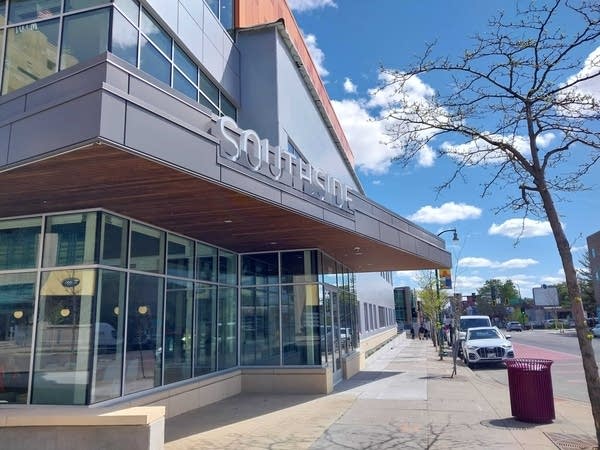
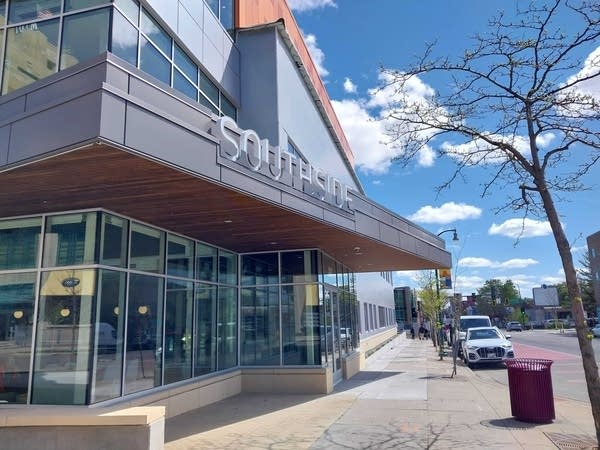
A new health clinic is set to open Monday in south Minneapolis, after years of work on the site.
The Southside Community Health Services clinic will offer primary care, mammography, a pharmacy and a dental office, all in one building on Lake Street.
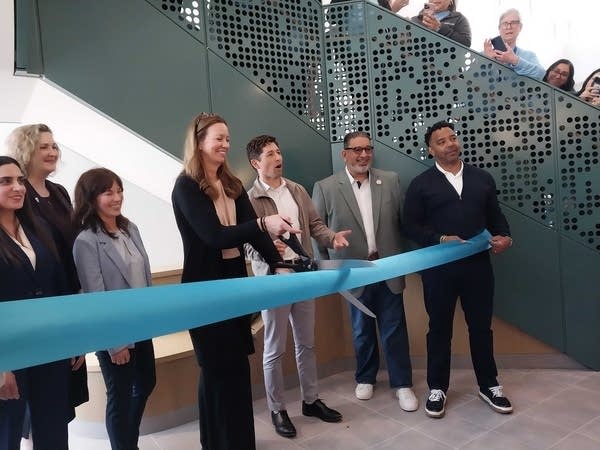
At a ribbon cutting ceremony Friday, the executive director of Southside Community Health Services said the new location will expand residents’ access to primary care.
“We wanted everyone to walk in to feel like this is their clinic,” director Ann Cazaban said. “Our goal is to be the clinic of choice in south Minneapolis, regardless of people's ability to pay for services.”
Until now, the clinic has been working out of a location inside Green Central Park Elementary School, and a separate dental clinic. Cazaban said that wasn’t ideal; the school clinic was in a retrofitted old office space, and she wanted to combine dental care and other clinic services into one site.
The new building will offer longer hours at a more centrally located site and see more than 18,000 low-income residents, according to project leaders.
“This space was created with a lot of intention around trauma-informed principles, and really being person-centered and welcoming,” Cazaban said.
The former dental clinic will stay open. The health clinic closed this week and referred patients to the new Lake Street location.
Construction on the site started in 2024; Cazaban and her staff spent years before that securing funding and finding the site.
At the ribbon cutting ceremony, city council member Jason Chavez thanked the 100-plus clinic staff members for the work they’ll do at the site.
“The work that you all are going to be able to do here is going to change the lives of so many of our neighbors that already face increasing disparities when it comes to their health care needs,” Chavez said.
The clinic site used to house a Family Dollar store, which was destroyed in the civil unrest that followed the murder of George Floyd. Chavez said the clinic opening is a sign of recovery on Lake Street, as developers and community members work to fill the empty space still left on the corridor.
The $30 million project was funded with dollars from the federal government and from the city, plus several grants, including a gift from philanthropist MacKenzie Scott.