Study: 1 in 50 HCMC violent trauma patients ended up as victims or perpetrators of homicides


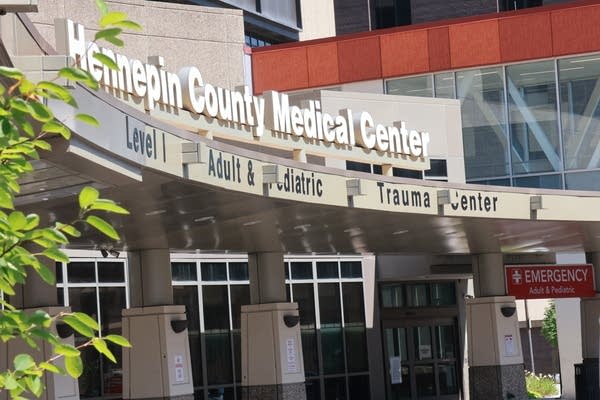
HCMC emergency drop off area

A new study is highlighting hospitals as a key component to gun violence prevention. Researchers with Minnesota-based organization The Violence Prevention Project and HCMC linked patient data from 2013-2022 and Minneapolis homicide data from 2018-2022. They found that 1 in 50 patients admitted to HCMC for violent injury, later appeared in homicide records as a victim, a perpetrator or both.

The results also show patients were disproportionately young and male, and injury locations clustered in socioeconomically disadvantage neighborhoods. The median time between prior trauma admissions and homicide involvement was 3.5 years.

Jillian Peterson, executive director with The Violence Prevention Project, said hospitals are often thought as reactionary to gun violence. But this study revealed hospitals have a role to play in prevention.

“Knowing that so many of these young men were hospitalized — for most of them firearm injuries — years before they were involved in a homicide makes you think about that moment is a real turning point, and is a real opportunity for prevention, not just reaction,” Peterson told Minnesota Now host Nina Moini.

HCMC does have a violence prevention program in the hospital called Next Step. It serves other area hospitals as well. Dr. Derek Lumbard, a trauma surgeon at HCMC and co-author of the study, said the program works to provide trauma-informed case management and services.

“We often say that survival is only the beginning when somebody is violently injured,” said Lumbard, “and so this this one-on-one case management allows for people that experience these awful incidents to have support and have another advocate for them when they are in the hospital and when they leave the hospital.”

Lumbard worries that funding for this program could dry up as HCMC faces a financial crisis and grant money for health care also dwindles.

“It's massively important that this that this group continues to be funded,” he said.

Researchers believe the data is an undercount, because it doesn’t include other the Level I trauma centers in the Twin Cities metro: North Memorial and Regions. Peterson hopes this study shows how important it is to share data across industries and services.

“There's a lot of the same people in all these data sets, but when we're not connecting them, we're not seeing that interconnectedness of our work,” Peterson said.

Use the audio player above to listen to the full conversation on Minnesota Now with Peterson and Lumbard.


Source link

Leave a Reply

Subscribe to Our Newsletter

Get our latest articles delivered straight to your inbox. No spam, we promise.

Recent Reviews


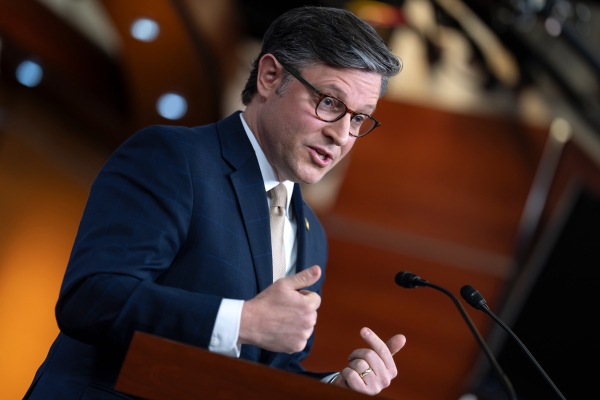
Speaker of the House Mike Johnson, R-La., takes questions at a news conference at the U.S. Capitol on April 21, 2026.

Speaker of the House Mike Johnson, R-La., takes questions at a news conference at the U.S. Capitol on April 21, 2026.
Speaker of the House Mike Johnson, R-La., takes questions at a news conference at the U.S. Capitol on April 21.
J. Scott Applewhite | AP

The House of Representatives voted Thursday to reopen most of the Department of Homeland Security, ending the longest agency shutdown in U.S. history.

The House passed a bill funding DHS, minus dollars for Immigration and Customs Enforcement and Customs and Border Protection. The measure passed by voice vote on what was the 76th day of the shutdown.

Democrats refused to back funding for many of the agency's immigration functions in an unsuccessful effort to secure reforms including body-worn cameras and broad restrictions on face coverings after federal law enforcement killed two American citizens in Minnesota earlier this year.

The Senate, led by Republican Majority Leader John Thune, R-S.D., unanimously advanced this funding legislation in March. At the time, Speaker Mike Johnson, R-La., referred to the proposal as "a joke" and refused to bring it up for a vote. Many members of the House Republican conference refused to fund the agency in a piecemeal fashion and did not want to negotiate over reforms to immigration enforcement operations.

On April 1, Johnson reversed course. He announced the funding bill would be voted on "in the coming days." More than four weeks later, he finally made good on that commitment.

In an effort to appease his hardline members, Johnson waited to bring the Senate's proposal to a vote until that chamber's Republicans started the arcane procedural process, known as reconciliation, to fund all of DHS — including Immigration and Customs Enforcement (ICE) and Customs and Border Protection (CBP) — for the remainder of Trump's term without any backing from Democrats.

The funding bill comes as Secretary of Homeland Security Markwayne Mullin warned the agency was close to running out of funds to pay staff.

"We have reached all the emergency funds we can reach into," Mullin told Fox News on Friday. "I am completely out of the slush fund, I have no place to move at the end of the month."

Mullin said the agency was relying on appropriated funds from last year's One Big Beautiful Bill, which allocated more than $150 billion to DHS on top of its regular annual appropriations funding.

President Donald Trump signed a memo this month authorizing DHS to use some of the money from that legislation to fund the department's operations — potentially infringing on the powers granted to Congress by the Constitution to direct how taxpayer money is spent.

Copyright 2026, NPR


Source link