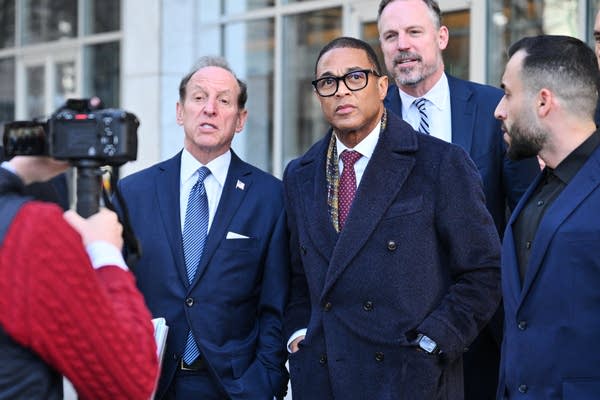
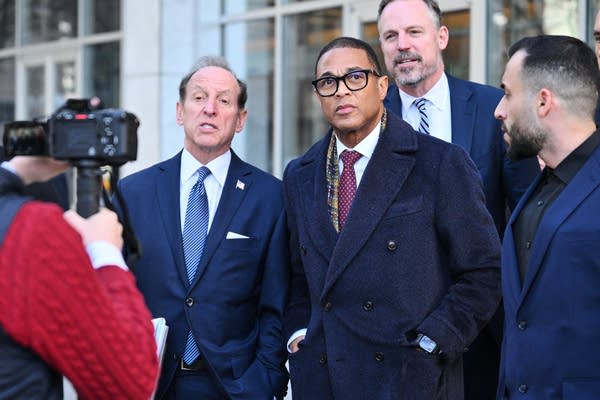
Attorneys for former CNN host turned independent journalist Don Lemon argued in a court filing Wednesday that recent examples of grand jury misconduct by the U.S. Department of Justice across the country warrant the release of transcripts from the normally secretive proceedings in his case.
Lemon pleaded not guilty in February to federal civil rights charges, following a protest at a Minnesota church where an Immigration and Customs Enforcement official is a pastor. He is one of 39 people charged in the January incident.
Lemon insists he was at the Cities Church in St. Paul to chronicle the Jan. 18 protest but was not a participant.
Lemon and another independent journalist, Georgia Fort, filed a motion in February seeking transcripts of the grand jury proceedings that resulted in the indictments against them and seven others.
In the latest filing in U.S. District Court in Minneapolis, Lemon's attorneys argue that “the past 15 months have seen an unprecedented and growing distrust in the Justice Department’s use of the grand jury process.” For that reason, the transcripts from Lemon's grand jury should be released, his attorneys said.
“In the past two weeks alone, several courts have chastised Justice Department prosecutors for irregularities in the grand jury process and gone so far as to dismiss indictments for grand jury misconduct,” Lemon's attorneys said in the Wednesday filing.
A spokesperson for the Justice Department did not immediately respond to a request for comment.
Lemon cites the May 21 dismissal of all pending charges against four remaining activists who protested outside a federal building during last year’s immigration crackdown in Chicago. The dismissal came after a judge scrutinized allegations of grand jury misconduct by the prosecutor’s office.
Lemon also cites the May 15 dismissal of nine felony grand jury indictments by three federal judges in Wyoming. The judges cited misconduct by the interim U.S. attorney that could have prejudiced the jurors, including comments he made to the grand jurors.
Lemon cites a third case out of Rhode Island where a federal judge on May 13 blocked the Trump administration’s sweeping demands for confidential transgender patient information from the state's largest hospital that provides gender-affirming care to minors.
In that case, the judge rebuked actions by prosecutors, saying the Justice Department can no longer be trusted to enforce its power fairly and honestly.
Finally, Lemon’s attorneys referenced the denial of search warrants sought by the Justice Department related to Lemon’s YouTube channel and YouTube account and cellphone information related to four other defendants. The magistrate judge held that the government did not establish probable cause to believe that evidence of a crime would be found in what the Justice Department wanted to search.
The search warrants were rejected in February, but the court record was unsealed on Tuesday.
Several judges — including the chief federal judge for Minnesota — found no probable cause to support the complaints that prosecutors first tried to file against the two journalists, so they refused to sign arrest warrants for Lemon or Fort before the government turned to the grand jury.
Lemon's attorneys argue they should be allowed to see the grand jury records because of the “checkered history of this case” and “numerous examples of grand jury misconduct by DOJ around the country.”
Lemon is “entitled to see whether the government allowed the grand jury to serve its role or whether, as elsewhere, the government interfered with the proper function of the grand jury,” his attorneys argued.