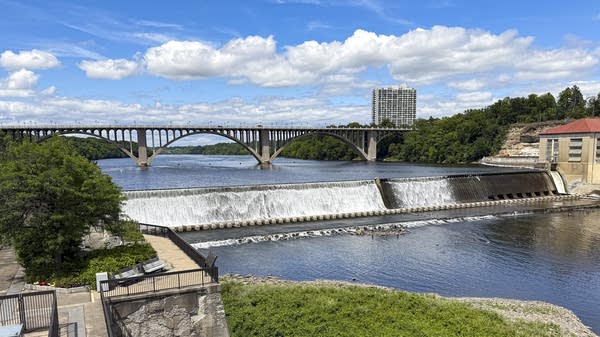
The question of whether two locks and dams on the Mississippi River in the heart of the Twin Cities should be removed is getting new attention.
Several groups are exploring the pros and cons of removing the structures and returning the river to a more natural state. Those groups are also studying how it would change everything from safety to recreation.
Centuries ago, the stretch of Mississippi River between Minneapolis and St. Paul was a lot more wild and free-flowing before it became an important navigation route for barge traffic.
But the Upper St. Anthony Falls lock was closed in 2015 to prevent the spread of invasive carp, ending most commercial barge traffic through the Twin Cities.
Two downstream lock and dam structures – at Lower St. Anthony Falls and the Ford Dam, known as Lock and Dam No. 1 – are still operational, but not as vital as they once were.
The stretch of the Mississippi through the Twin Cities is unique, part of the only gorge on the entire river.
Some environmental groups think the locks and dams should be removed to allow the river to flow more freely again. They say it would help restore the ecological health of the river and create new recreational opportunities.
But there are a lot of questions that need to be answered first, according to Colleen O’Connor Toberman, land use and planning director at the nonprofit Friends of the Mississippi River.
"Changing the river in the middle of a major urban area is something that needs careful study and a lot of information before we know what the right decision is,” she said.
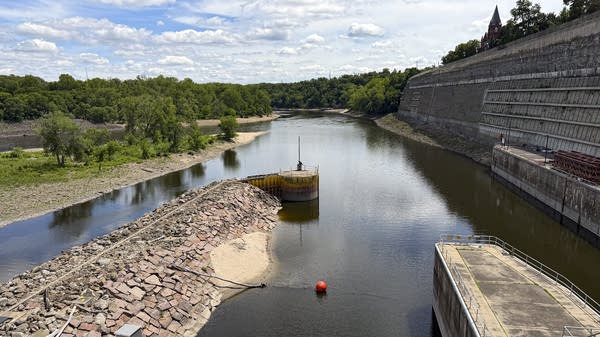
The U.S. Army Corps of Engineers owns and maintains Lock and Dam No. 1, built in 1917, and the St. Anthony Falls locks and dams, which were finished in 1963. They were designed to make the river more passable for steamships and barges.
Dams hold back water to create deep navigation pools, while locks act as “water elevators” that raise or lower boats so they can travel between the different water levels.
In 2022, the Army Corps of Engineers launched a study to determine the future of the structures at Lower St. Anthony Falls and the Ford dam.
The so-called disposition study considers whether there is federal interest in continuing to own and operate the locks and dams. Other options could include transferring them to a new owner or removing them altogether.
But Toberman said the Army Corps of Engineer's study is fairly limited. So Friends of the Mississippi River is conducting its own study of the costs and benefits of removing the dams.
“What would a restored river look like?” Toberman asked. “What kind of ecological benefits would we see? What species would benefit? What would it mean for people who come to the river to fish or to paddle or to stand on its shores?”
This year, the Legislature awarded the nonprofit $923,000 for the study from the Environment and Natural Resources Trust Fund, which receives a portion of state lottery proceeds.
Potential benefits
Scientists say removing dams and returning rivers to a more natural state with pools, rapids and islands can provide ecological benefits, such as improving water quality and restoring fish habitat.
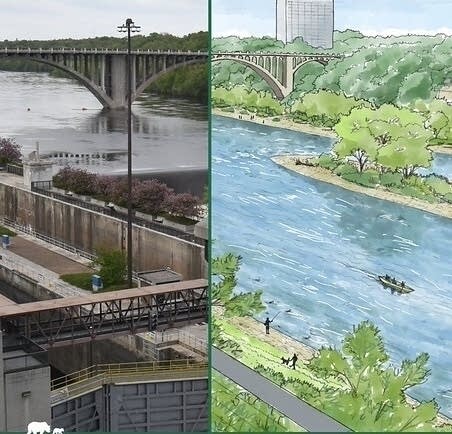
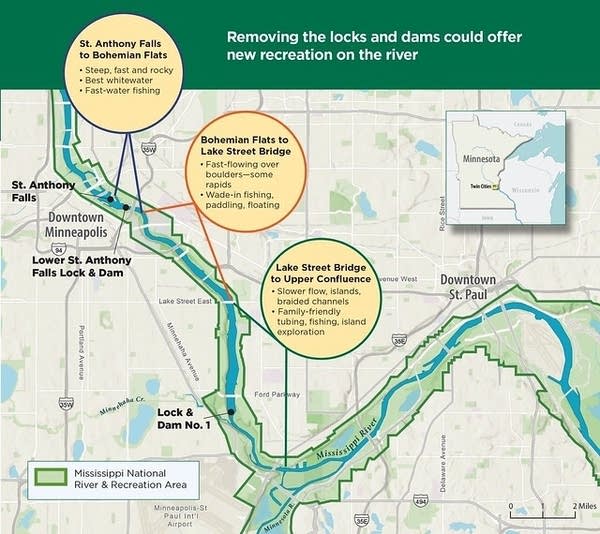
Shallower, faster-moving water also can create new opportunities for people to access and enjoy the river, such as whitewater kayaking, tubing or wade-in fishing.
The nonprofit National Parks Conservation Association recently released a report examining how restoring portions of the Mississippi by removing the two locks and dams could expand recreation, strengthen community connections and generate economic benefits.
The report highlights other U.S. communities that removed dams and restored a riverfront. They saw increased tourism, local tax revenue and support for local businesses, according to Christine Goepfert, NPCA’s Midwest policy director.
"What those communities showed is that strategic investment in river restoration yields substantial local returns,” Goepfert said.
For example, two dams on the Chattahoochee River in downtown Columbus, Ga. were removed over a decade ago. A whitewater park for thrill-seeking rafters and kayakers now attracts roughly 50,000 visitors a year.
The report says removing the locks and dams could reshape how people experience the Mississippi in the Twin Cities, with places to explore, hike, fish and bird watch. It also could offer an opportunity to reconnect with sacred Dakota places along the river.
Federal land around the Upper St. Anthony Falls Lock and Dam is being restored by a Dakota-led nonprofit, Owámniyomni Okhódayapi. The organization plans to turn the site into a place of healing, restoration and connection.
Down river, the Wakaŋ Tipi Center, a 27-acre Native-led cultural and environmental interpretive center, recently opened on the Mississippi River in St. Paul.
The two projects are “book-ending” the Mississippi River gorge, Toberman said.
“Deciding what we do to the locks and dams in the middle is a really exciting next piece of that story,” she said.
Weighing the costs
But there are potential downsides. Some recreational activities depend on calmer, deeper waters.
For instance, the University of Minnesota rowing team and several clubs use the stretch for practice. That would no longer be possible if the Twin Cities dams are removed.
Friends of the Mississippi's study will look at how a changed river might affect bridges and other infrastructure, Toberman said. It also will examine what would happen to all the sediment that's built up behind the dams.
"Is that sediment contaminated?” she asked. “What would happen to it if we removed a dam? Would it move downstream? Would we use it to build new shorelines and islands? Is it a concern?"
In a separate study, the University of Minnesota’s St. Anthony Falls Laboratory is building a physical model of Lock and Dam No. 1 to study how removing the structure could change the river.
Toberman said the Friends of the Mississippi River study should be completed by mid 2028. The Army Corps of Engineers is expected to release its draft report for public comment in the spring of 2027.
A final decision on whether to remove the locks and dams is up to Congress.. And Toberman says removing the dams could take 10-20 years.
“It's OK that a decision this big is going to take a while to make together as a community,” she said.