Grand jury subpoenas against top Minnesota political figures and their offices triggered a legal back-and-forth in private until a federal judge invalidated the expansive document demand last month and ordered sealed court records be made public.
At the direction of U.S. District Court Judge Patrick Schiltz, most of those court documents have been put out in the open in recent days.
They reveal how Justice Department officials based their probe on old training handbooks, public remarks and social media postings to suggest interference with a winter surge of federal immigration enforcement. Attorneys for the Minnesota leaders in turn argued the investigation was an abuse of the grand jury process and an attempt at political intimidation.
Who and what was subject to the subpoenas issued in February?
At the urging of federal lawyers, a grand jury granted the subpoenas in February that ordered several offices to turn over a broad range of documents.
Those subpoenaed were the offices of Gov. Tim Walz, Attorney General Keith Ellison, Minneapolis Mayor Jacob Frey, St. Paul Mayor Kaohly Her and the governing boards of Hennepin and Ramsey counties.
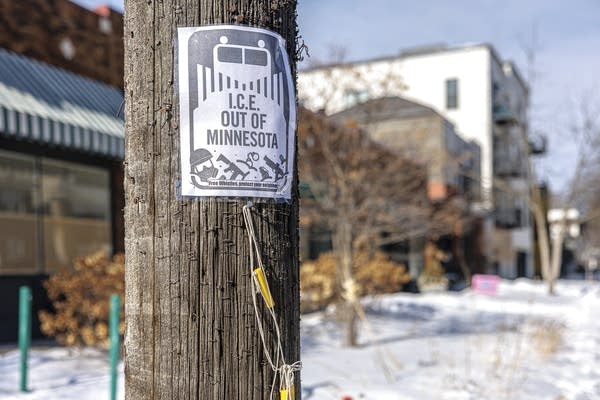
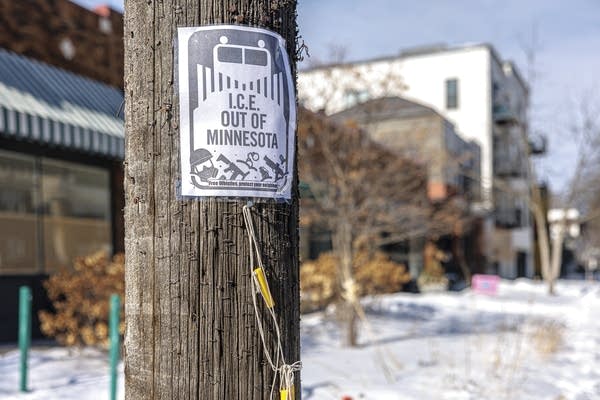
The demand included records, manuals, communications and more about the federal immigration surge in Minnesota. The requests went back to Jan. 1, 2025 — well before thousands of agents were sent to Minnesota.
What did U.S. Department of Justice officials say led to their investigatory subpoenas?
The Justice Department lawyers contended there was “sufficient factual predicate” to show there was deliberate “obstruction, hindrance and interference with federal immigration enforcement.”
They contend there were both formal and informal policies they say required Minnesota local and state government employees to impede the operation. In the case of Hennepin County, the federal officials pointed to training manuals that encouraged “respectful stalling” in order to frustrate ICE access and goals.
Those types of actions, the lawyers said, provided a reasonable basis to investigate whether there was a coordinated campaign to resist federal law enforcement. Lawyers for Hennepin County pushed back on the contention and said the description of the training for staff “is inaccurate and, in any event, not indicative of a crime.”
The documents also cite press conferences and public statements by city leaders that they would protect residents from the surge of agents.
How did the Minnesota officials and their offices respond?
A team of lawyers assembled by the affected entities fought the federal claims as based on inference and innuendo.
In one previously sealed document, the lawyers for Walz raised concerns about the subpoenas intruding on independent state authority and said “the federal government fails to offer any evidence or explanation for a grand jury investigation of a sitting governor and his office.”
They went on to say “the public record establishes this subpoena is part of an effort to criminalize and publicize a political dispute between the president of the United States and the governor of Minnesota, and an improper attempt by the former to intimidate the latter into capitulating.”
Attorneys for the Minnesota officials said the investigation wasn’t being done in good faith and for that reason the judge should take the extraordinary step of releasing material that was filed under seal to show the public what had transpired.
How unusual is the release of grand jury-related documents that had previously been filed under seal?
Judge Schiltz agreed that the circumstances warranted the rare step of publicly releasing the information.
In his order last month, Schiltz wrote any connections between the information the government had sought and any crime “range from extremely weak to nonexistent.” The judge added that the evidence is overwhelming “that these subpoenas were not issued to investigate, but to harass, coerce and retaliate.”
Justice Department lawyers sought to shield the materials.
In an April 14 filing, Special Assistant U.S. Attorney Flavio de Abreu urged the judge to adhere to the long practice of secrecy of grand jury proceedings. He wrote that it is vital to guard against chilling participation of witnesses concerned about retaliation or attempts to influence grand jurors.
“In this case, the government has repeatedly noted that the targets of the investigation remain unidentified,” Abreu told the court in a brief. “Publicizing this proceeding — and the government’s discussion of the investigation during the April 1 hearing — would notify any potential unidentified targets of the course, purpose and scope of the government’s investigation.”
Those subpoenaed alleged that federal government leaks put the matter into public view so it shouldn’t be afforded the secrecy protections it cast as vital.
“The circumstances indicate that an attorney for the government must have either shared secret grand jury information with the press (or another government official not entitled to see the information) or that a non-DOJ official was aware of the plans to issue subpoenas because they directed DOJ to do so,” lawyers for Ellison wrote in a March court filing urging the subpoenas be quashed and an investigation begin into possible grand jury breaches.
Did everything related to the subpoenas get made public?
Not yet. Some materials will remain sealed until at least July 15 or for even longer. That’s a deadline Schiltz set for the U.S. government lawyers to contest his order.
There are a few exhibits that weren’t made public.