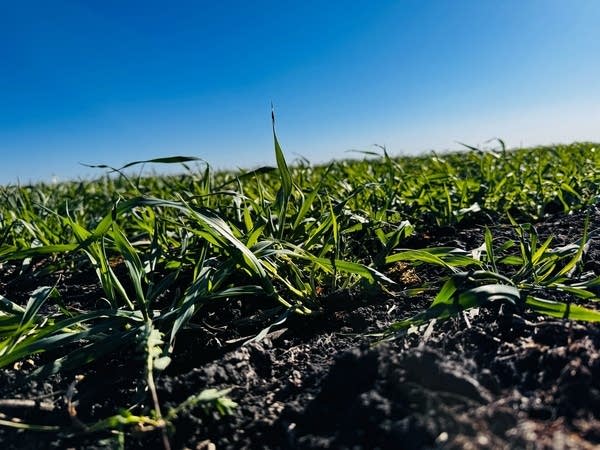
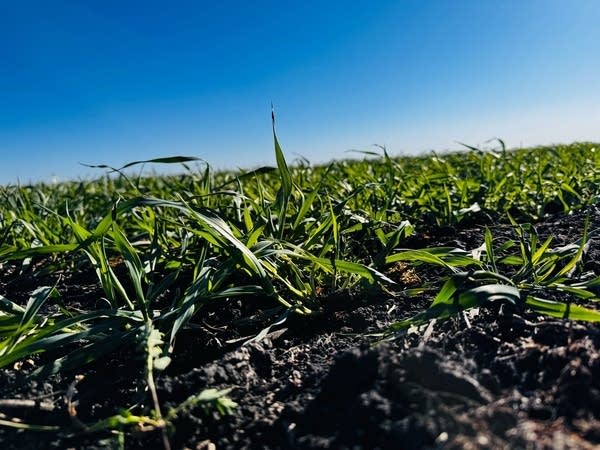
Conservation practices such as avoiding tilling and planting cover crops help preserve soil health. Healthy soil leads to healthy crops. But the required equipment can be prohibitively expensive for farmers.
To compensate, the Department of Agriculture’s Soil Health Financial Assistance Program offers grants that help cover the cost of equipment used for conservation practices. This year, the program has awarded nearly $4.7 million to farms and watersheds across the state.
The grant is highly competitive, according to Brad Jordahl Redlin, manager of the Ag Conservation Services section at the Department of Agriculture. The program has been available since 2023, and every year it runs out of funding quickly due to the number of applications, he said.
“We're trying to encourage good soil health management on farms,” Jordahl Redlin said. “Because of all the benefits [conservation practices] provide.”
Planting cover crops helps stabilize the surrounding soil, keeping it in place and preventing high-speed winds from blowing it away. Soil is a non-renewable resource, which means that once it’s gone, it’s gone for good.
Brent Louwagie experienced soil loss about four years ago when strong winds blew through his farm. The soil was tilled, making it loose and susceptible to the wind.
“So I thought, cover crops are supposed to prevent that,” Louwagie said. “I should give them a try and see if they work for me or not.”
They did, but it takes him a while to plant the cover crops because he doesn’t have specialized machinery to plant the cover crop seeds in one go.
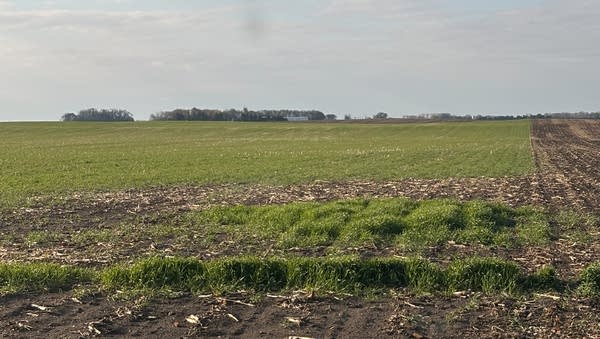
He applied for the grant last year and was awarded $16,000 to help him buy a cover-crop seeder. Once he buys it, it should help him save time and money and plant cover crops earlier.
“Cover crops are outside of traditional cash crop practices, so if you're going to do extracurricular things for any reasons, any extra money you can get to soften that financial blow is a big deal,” Louwagie said. “I would still be doing or trying to do cover crops without it, but it would just make it a little bit more difficult.”
Minnesota experiences frequent extreme weather events, some of which put soil at risk.
“These really unpredictable conditions make it hard to manage and armor your soil,” Jordahl Redlin said. “To manage and armor your soil, you need those soil health and regenerative practices in place that the equipment provides for.”
The next grant application cycle opens in August and will stay open for about a month. Then, after review, awardees will be notified in January.