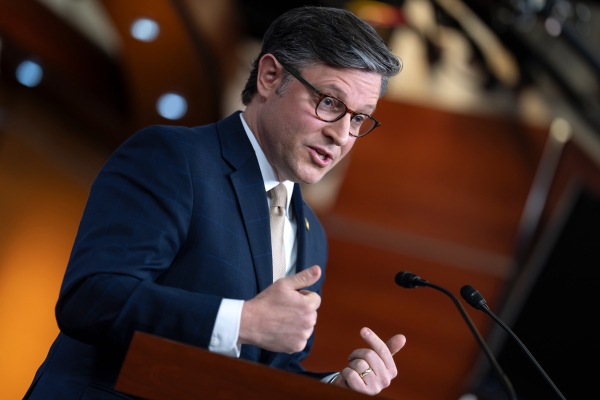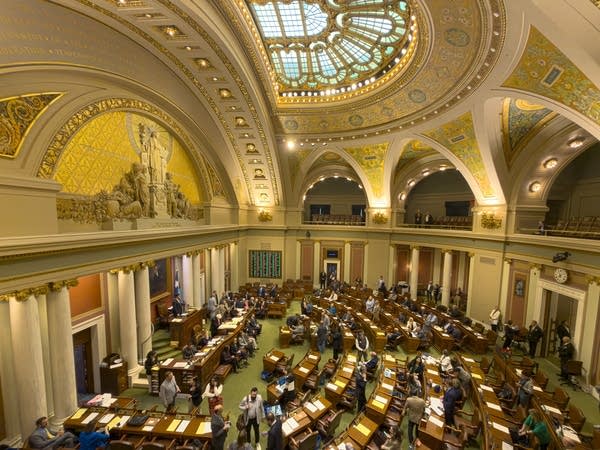
Former presidents, politicians, civil rights leaders and other Americans who’ve made courageous decisions without regard for consequences have all won the John F. Kennedy Profile in Courage Award.
This year, the prestigious public service award will go collectively to the people of the Twin Cities “for risking their lives to protect their neighbors and immigrant community members” as federal immigration agents flooded the region earlier this year.
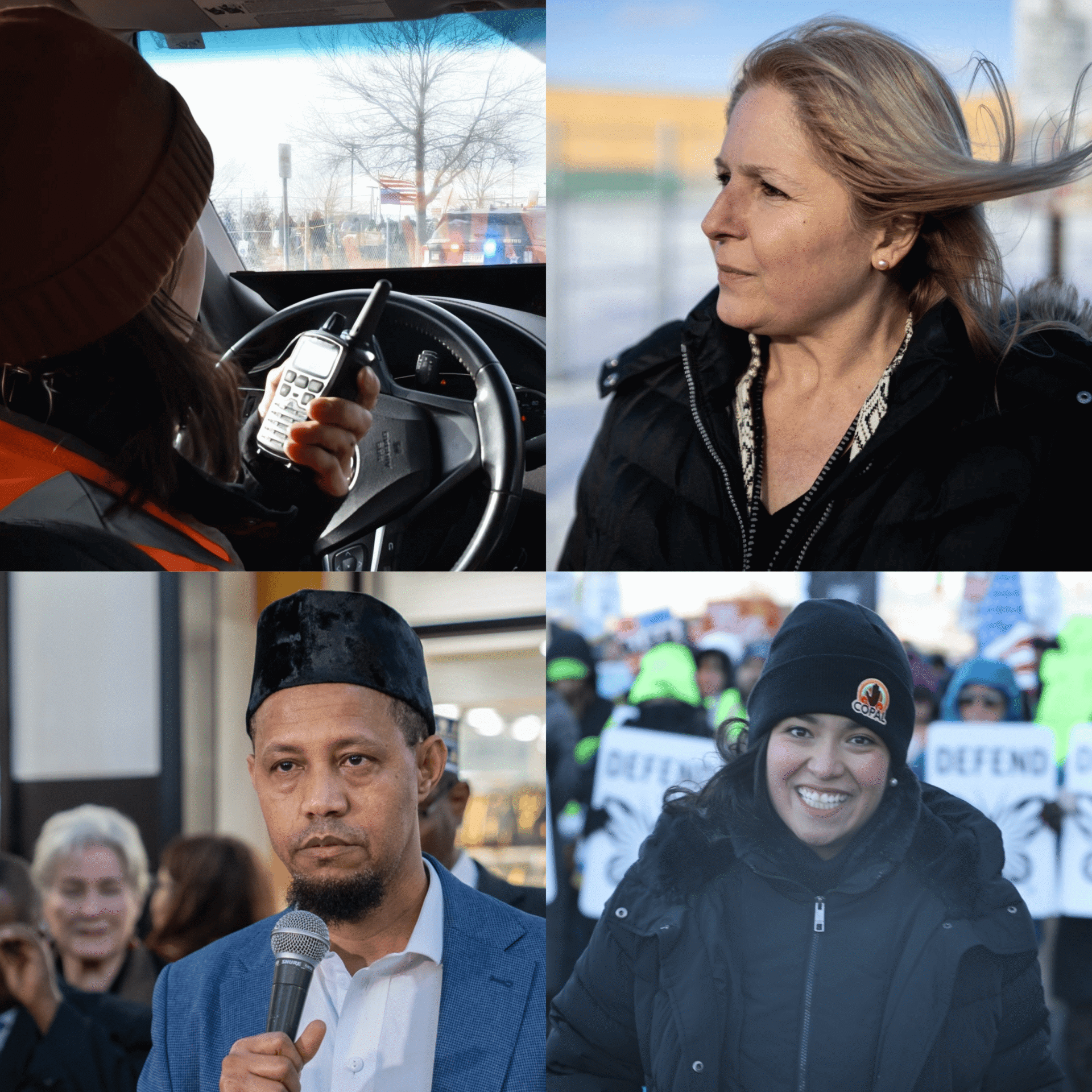
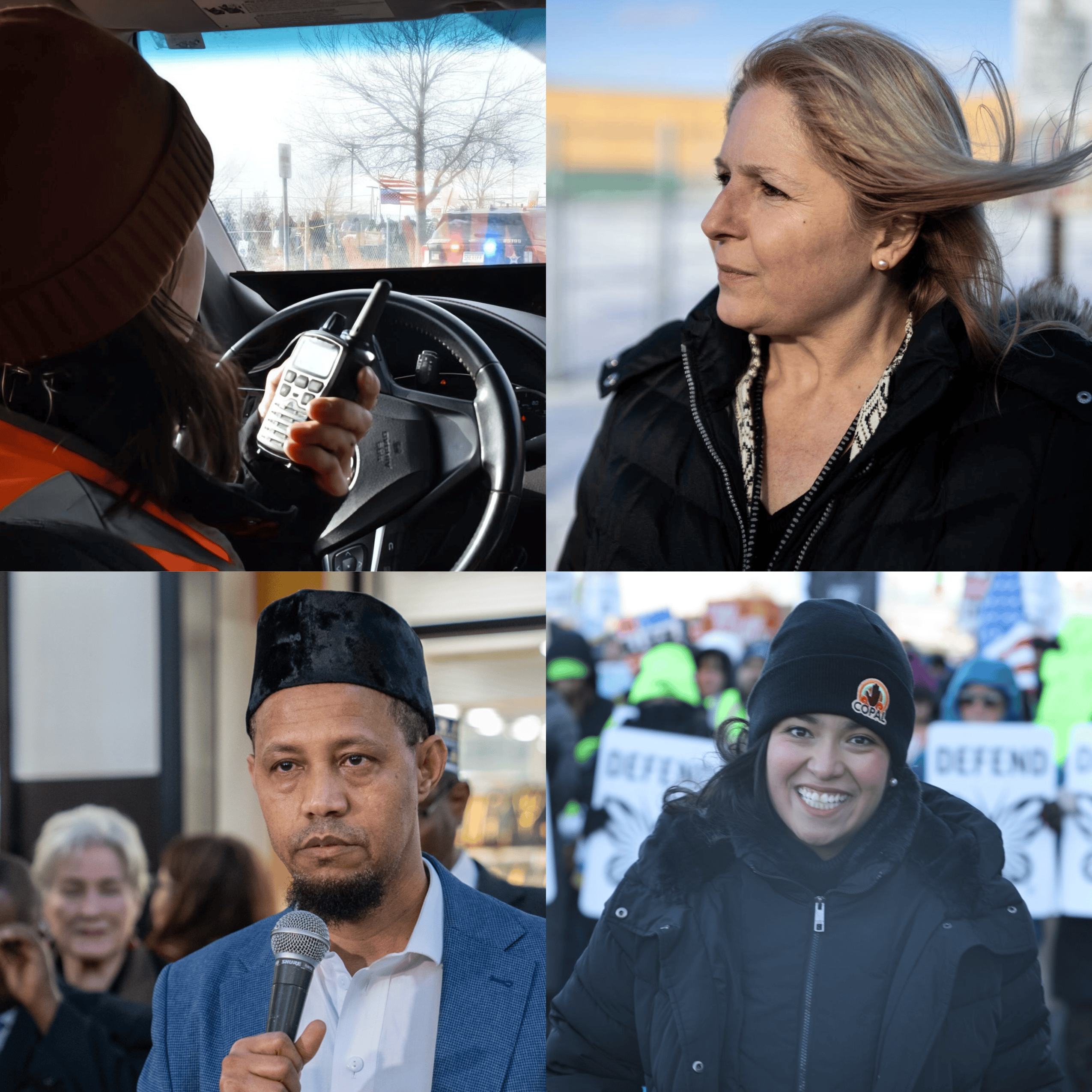
Four Twin Cities community members will receive the award on behalf of the region during a Sunday ceremony at the JFK Presidential Library and Museum in Boston.
They include Zena Stenvik, superintendent of the Columbia Heights school district, who took on a public role after Columbia Heights elementary school student Liam Conejo Ramos was detained along with his father. The image of the little boy in his blue bunny hat and Spider-Man backpack flanked by Immigration and Customs Enforcement agents gripped the country.
“I wasn't afraid during the surge. I was angry,” said Stenvik. “My resolve was bolstered. We had a strong team around us, and I've been charged to take care of almost 600 staff members and over 3,000 students. And so I didn't have fear. I had energy to do that job.”
Stenvik’s district lost 200 students over the course of the surge. At the ceremony in Boston, she said she’ll be representing students, parents, families and people who care about children.
“I happen to be in a position where I was given a platform, and I think whenever I'm given a platform to speak publicly, I'm going to do my best to speak for the good and for what's best for children and families,” she said.
Imam Yusuf Abdulle, co-founder of the Somali America Leadership Table, will also represent the Twin Cities. His group helped Somali communities create strategies against targeted federal enforcement actions. At a community Iftar event in March, Abdulle called for the federal government to take accountability for damages to the community.
“We know what happened,” Abdulle said. “And we are dealing with the aftermath — whether it's fear, economic depravity, community that is being battered by the federal government, name calling.”
Abdulle said he’s especially concerned about the trauma now held by children in the Somali community.
Carolina Ortiz will also represent the region Sunday. In 2024, she started planting the seeds to respond to an escalation in federal immigration enforcement. Her organization, COPAL, whose acronym translates to Communities Organizing Latine Power and Action, began the Immigration Defense Network.
They helped coordinate over 100 immigrant organizations to provide legal, labor and faith support. She said this award doesn’t just belong to her.
“This award belongs to the children who could not safely go to school, to the parents who never went to work without it being an actual risk, to the families that were forced to choose between their health and their safety, to the people who, despite being born here, were detained, questioned, and treated with suspicion, and it belongs to everyone who chose to stand in solidarity,” Ortiz said.
“I think these last few months have made it clear that it's not just about one group, it's really all of us, and how do we protect each other, and most importantly, our democracy, and that that will be a very difficult road ahead, but I think if we show up the way that we have shown up in these last few months, it's possible, and there's a lot of hope in that,” she said.
Ortiz said the national recognition from the JFK Library Foundation is great, but the work and the struggle for many is not over.
Natalie Ehret knows that all too well. She’s another honoree for her work with Haven Watch, a grassroots organization that provides resources to people let out of ICE detention centers.
“The political interest has faded, but Minnesota is still dealing with ICE's presence, even though it's less, and the people who were impacted at that time are still deeply, deeply in need of support and resources,” Ehret said. “So I want to make sure that everybody I speak with knows that we still need attention and support and resources in some areas more so now.”
Her family started Haven Watch when they went to protest at the Whipple Federal Building, the base of operations for federal agents in the Twin Cities during the surge. Ehret says her son saw that people were being released with no phones, no rides home and no warm clothes.
“From that night on we maintained a presence at the gate and never left 24/7, so it was just our family initially, but very quickly grew into a much larger movement when people realized what was happening and how much help we needed,” she said.
Ehret said the award is not a personal victory for her, but for everyone who helped them.