During the height of the Trump administration’s immigration enforcement operation in Minnesota, federal prosecutors charged three dozen people, mostly protesters, with assaulting ICE and Border Patrol agents.
The alleged conduct is serious. But the government has dismissed more than a third of the cases after the allegations failed to stand up to scrutiny. Prosecutors are continuing to pursue others, including one case where a judge called the Justice Department’s actions “perplexing.”
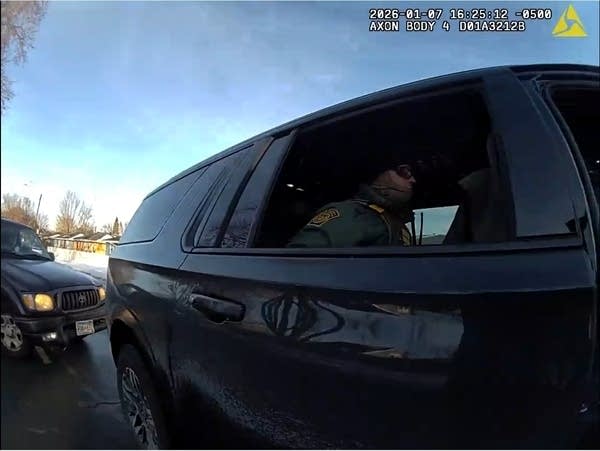
On Jan. 7, hours after ICE agent Jonathan Ross fatally shot Renee Good in Minneapolis, Gillian Etherington continued to protest the federal operation. In her small Toyota pickup truck, Etherington, 30, followed a convoy of a half dozen Border Patrol vehicles late that afternoon near Lake Nokomis.
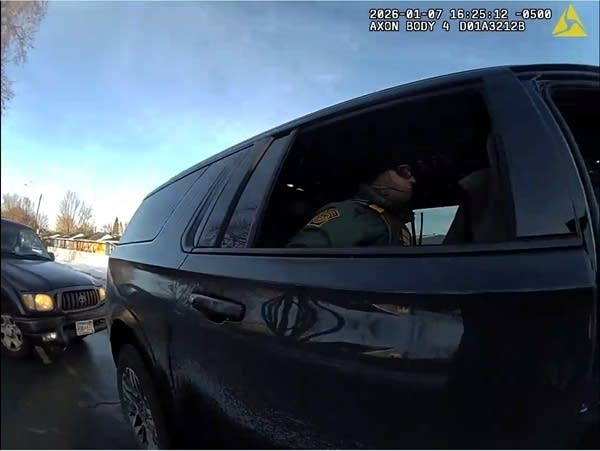
Five minutes after an initial attempt to stop her, the agents boxed in Etherington’s truck. One officer’s body camera recorded Etherington turning and scraping her front bumper into the back of the agents’ SUV.
The agents chased Etherington to Roosevelt High School, where video shows them smashing her window and pulling her from the pickup at gunpoint as then-Border Patrol Chief Greg Bovino tries to control the crowd.
Two weeks later, prosecutors charged Etherington with weaponizing her vehicle and ramming the Border Patrol SUV, a felony. Even with the case still under seal, then-Attorney General Pam Bondi posted Etherington’s name to the social media site X along with 15 others she called “Minnesota rioters.”
Prosecutors soon backed off the felony charge, which requires a grand jury’s approval. But even their new misdemeanor case faced skepticism from the judge.
At a March hearing, Magistrate Judge David Schultz noted there were no injuries or damage to the Border Patrol vehicle.
“I just honestly can’t understand why the government is pursuing this case,” Schultz said after telling attorneys that he viewed the body camera video.
At a subsequent hearing in April, Schultz said that he does not believe the government’s account of events and said that Homeland Security Special Agent Richard Berger signed a “false affidavit.”
Of the three dozen people federal prosecutors charged with assault, they secured just two felony indictments. One defendant, Claire Feng, allegedly bit off an agent’s fingertip soon after the Border Patrol killed Alex Pretti. The affidavit in Feng’s case includes photos of the injury.
But of the 35 other cases, prosecutors dismissed 14.
In late January, the government charged a suburban Minneapolis woman with shoving Border Patrol officers outside the Whipple Federal Building before they tackled and arrested her. MPR News is not naming the woman because she is no longer charged with a crime and federal agencies did not publicize her case.
Inside the Whipple Building, Homeland Security Agent Joel Barry led the interrogation, where he tried to get her to answer questions about why she was protesting.
“ICE is here, so why are you there?” Barry asked.
“I’m done talking,” she replied. “You’re trying to get me to incriminate myself. I’m not stupid.”
The woman invoked her right to remain silent three times and told agents that she needed medical attention for a dislocated finger.
But Barry continued the interview. He asked who was “paying” the protesters, suggested that Somali-Americans are overrepresented in public assistance programs and asked the woman why she is “resistant to our ideology.”
Thomas Calhoun-Lopez, a former federal prosecutor who is not involved in the case told MPR News that the interrogation is rife with constitutional violations.
“Based solely on the recording that I listened to, a court would rule that her entire statement after she invoked her right to remain silent, which was about three minutes into the interrogation, would be inadmissible at trial.”
After the defense moved to suppress the interview, prosecutors dropped the charges.
The Department of Homeland Security did not respond to emailed questions from MPR News about the interrogation.
The Justice Department declined to answer specific questions about the charges against Gillian Etherington or the reasons for dropping so many protester assault cases.
But in a statement to MPR News, a Justice Department spokesperson said that DOJ will “continue to follow the facts and seek the most serious available charges against any individual who puts federal agents in harm’s way.”